How I Found a Hidden Way to Preserve Wealth Through Old-School Antique Collecting
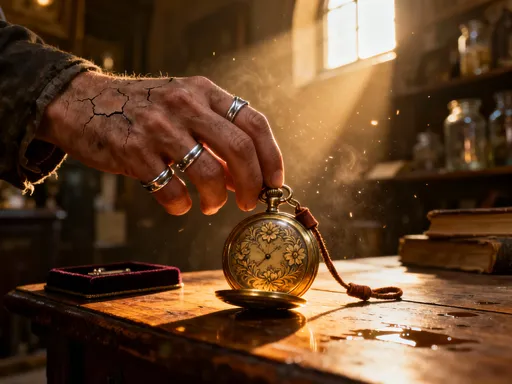
You’ve probably never thought of dusty old vases or forgotten pocket watches as financial assets. I didn’t either—until I stumbled into antique collecting by accident and realized it wasn’t just about nostalgia. Unlike stocks that swing wildly or cash that loses value, these tangible treasures quietly hold their worth. Let me walk you through how this beginner-friendly path became my unexpected strategy for protecting wealth without chasing risky returns. What began as a weekend habit at local flea markets evolved into a disciplined approach to long-term value preservation. In a world where digital currency fluctuates by the minute and inflation quietly erodes savings, antiques have proven to be a steady anchor—silent, enduring, and surprisingly accessible to ordinary people seeking financial resilience.
The Quiet Power of Tangible Assets
In an era dominated by digital transactions and intangible investments, the idea of building wealth through physical objects may seem outdated. Yet, the enduring appeal of tangible assets like antiques lies precisely in their resistance to the volatility that plagues modern financial systems. While stock markets react to geopolitical shifts and central bank announcements within seconds, a well-preserved 18th-century writing desk or a signed first edition book remains largely unaffected by such turbulence. These items are not subject to algorithmic trading or quarterly earnings reports. Instead, their value is rooted in history, craftsmanship, and scarcity—factors that change slowly over time, if at all.
This stability makes antiques a compelling component of a balanced wealth preservation strategy. Unlike cash, which steadily loses purchasing power due to inflation, high-quality antiques often appreciate in real terms. Historical data from major auction houses shows that certain categories—such as fine furniture, vintage timepieces, and rare ceramics—have consistently outpaced inflation over the past fifty years. For instance, studies tracking the Mei Moses Index, which measures the performance of fine art and antiques at auction, reveal average annual returns of 5% to 7% over multiple decades, with significantly lower volatility than equities. While these returns may not match the explosive growth of tech stocks during bull markets, they offer something more valuable for many long-term investors: predictability and resilience.
The psychological benefit of owning something real should not be underestimated either. In times of economic uncertainty, when digital portfolios can shrink overnight, having physical assets provides a sense of security. You can touch them, display them, pass them down—they are not abstract entries on a screen. This tangible connection fosters a different kind of financial discipline, one rooted in patience and stewardship rather than speculation. Moreover, antiques often carry cultural or familial significance, adding emotional depth to their financial role. When combined with traditional investments, they create a diversified portfolio that balances growth potential with downside protection, shielding wealth from sudden market corrections while offering quiet, steady appreciation.
Why Antique Collecting Isn’t Just for Experts
One of the most persistent myths about antique collecting is that it requires specialized knowledge, elite connections, or substantial capital to begin. The truth is far more encouraging: anyone with curiosity and a modest budget can enter this world. The barrier to entry has never been lower, thanks to the proliferation of accessible marketplaces ranging from local estate sales and community auctions to online platforms like eBay, LiveAuctioneers, and specialized collector forums. These venues allow beginners to explore different categories, compare prices, and gradually build confidence without making large financial commitments upfront.
Many successful collectors started not with rare masterpieces but with overlooked items purchased for a few dollars at yard sales or thrift stores. A chipped porcelain teacup, a weathered wooden tool box, or an old leather-bound atlas might seem insignificant at first glance, but each can hold hidden value if it possesses the right characteristics—age, rarity, maker’s mark, or historical relevance. The key is developing an eye for potential, which comes not from formal education but from consistent exposure and hands-on experience. Joining local collector clubs or attending regional antique fairs offers invaluable opportunities to learn from seasoned enthusiasts who are often eager to share insights and mentor newcomers.
Additionally, the internet has democratized access to information. With a smartphone and a few minutes of research, anyone can identify a furniture maker’s stamp, verify a book’s edition, or check recent auction results for similar items. Free resources such as museum archives, digital library collections, and government cultural databases provide reliable references for authentication and valuation. This wealth of knowledge means that today’s beginner doesn’t need to rely solely on experts or dealers to make informed decisions. By starting small—perhaps with a $20 purchase—and treating each acquisition as both an investment and a learning experience, individuals can steadily grow their understanding and collection without financial strain.
Spotting Value in the Unseen: What Makes an Antique Hold Worth
Not every old object is an antique, and not every antique holds significant value. The difference lies in a combination of objective factors that determine long-term desirability and market demand. Among the most critical are provenance, craftsmanship, rarity, and condition. Provenance refers to the documented history of ownership, and when verifiable, it can dramatically enhance an item’s worth. For example, a dining chair once owned by a historical figure or used in a notable event carries narrative weight that collectors prize. Similarly, items with a clear chain of custody or exhibition history are more likely to attract serious buyers and command higher prices at auction.
Craftsmanship is another cornerstone of lasting value. Handmade pieces created by skilled artisans—particularly those with distinctive techniques or regional styles—tend to appreciate over time. A mid-century modern lamp designed by a recognized figure in industrial design, for instance, may double in value within a decade due to renewed interest in that era’s aesthetic. The materials used also matter: solid wood, genuine silver, hand-thrown ceramics, and natural fabrics generally outperform mass-produced or composite alternatives. These qualities reflect not only durability but also cultural significance, signaling that the object was made to last rather than discarded after short use.
Rarity plays an equally important role. Limited production runs, discontinued models, or items that survived historical events in low numbers naturally become more desirable as time passes. A rare edition of a classic novel, a prototype camera, or a piece of pottery from a short-lived studio can all become sought-after over time. However, rarity alone is not enough; the item must also have a following among collectors. This is where market trends come into play. Some categories, such as vintage typewriters or antique maps, experience surges in popularity due to renewed cultural interest or media exposure. Staying informed about these shifts—without chasing fads—helps collectors identify undervalued items before demand rises.
Finally, condition is paramount. While minor wear is expected in older items, major damage, improper restoration, or missing components can severely diminish value. A restored painting with over-painted areas, for example, may lose much of its authenticity and market appeal. Therefore, careful inspection is essential before any purchase. Using a magnifying glass to examine fine details, checking for original parts, and avoiding pieces that have been heavily altered can prevent costly mistakes. Together, these four pillars—provenance, craftsmanship, rarity, and condition—form the foundation of sustainable value in antique collecting.
Avoiding the Traps: Common Beginner Mistakes That Cost Money
Passion can be both a collector’s greatest asset and their biggest liability. Many newcomers fall into avoidable pitfalls driven by emotion rather than analysis. One of the most common errors is overpaying due to sentimental attachment. The urge to “rescue” an old family heirloom found at an estate sale or to own a piece that reminds one of childhood can cloud judgment and lead to inflated bids. While emotional resonance is part of what makes collecting meaningful, it should not override financial prudence. Setting a maximum price before attending auctions or negotiating purchases helps maintain discipline and prevents impulsive spending.
Another frequent mistake is underestimating the cost and complexity of restoration. A beautiful Victorian dresser may appear to be a bargain at $150, but if it requires professional refinishing, structural repair, or replacement of missing hardware, the total investment could exceed its market value. Beginners often fail to research typical restoration expenses or consult specialists before buying damaged items. To avoid this, it’s wise to get estimates from reputable restorers ahead of time or limit purchases to pieces that need only minor cleaning or stabilization. In some cases, leaving an item unrestored is actually preferable, as original finishes and patina are often more valuable than new ones.
Authenticity is another critical concern. The antique market, like any other, has its share of reproductions, forgeries, and mislabeled goods. Without proper verification, buyers risk investing in fakes that hold little to no resale value. Relying solely on appearance or seller claims is risky. Instead, collectors should seek third-party appraisals from certified professionals, especially for higher-value items. Reputable appraisal organizations provide documented assessments that can support insurance claims and future sales. Additionally, understanding basic authentication techniques—such as identifying period-appropriate construction methods, materials, and signatures—can help spot red flags early.
Insurance is another area where beginners often cut corners. Unlike ordinary household items, antiques may require specialized coverage due to their unique value and vulnerability. Standard homeowner’s policies frequently exclude collectibles or impose low limits. A dedicated fine art or collectibles insurance policy ensures that losses from theft, fire, or accidental damage are adequately compensated. Taking photos, keeping receipts, and maintaining appraisal records are simple but essential steps in protecting one’s investment. By prioritizing caution over enthusiasm, new collectors can build a sustainable practice that grows in value without unnecessary risk.
Storage, Care, and Long-Term Holding: Protecting What You Own
Purchasing an antique is only the first step in preserving its value. Equally important is how it is stored and maintained over time. Environmental conditions play a crucial role in determining whether an object ages gracefully or deteriorates prematurely. Fluctuations in temperature and humidity are among the greatest threats to delicate materials. Wood can warp or crack, metal may corrode, textiles fade, and paper become brittle. To mitigate these risks, antiques should be kept in climate-controlled spaces with stable humidity levels—ideally between 40% and 50%—and away from direct sunlight, which accelerates fading and material breakdown.
Furniture should be placed on level surfaces to prevent stress on joints, and drawers should be partially opened during long-term storage to reduce pressure on wooden frames. Upholstered pieces benefit from occasional rotation and gentle vacuuming to prevent dust buildup, while silverware and metal objects require regular polishing with appropriate products to inhibit tarnish. For books and documents, acid-free boxes and archival sleeves offer protection from moisture and pests. Even seemingly minor details—such as using felt pads under decorative objects or avoiding plastic wrap that traps moisture—can make a significant difference in long-term preservation.
Handling practices also matter. Always wash and dry hands before touching valuable items, and avoid wearing lotions or perfumes that could transfer oils or chemicals. When moving fragile pieces, support them fully and avoid lifting by protruding parts like handles or spindles, which may break under stress. For transportation, use padded containers and secure packaging to prevent jostling. These precautions may seem excessive, but they reflect the mindset of stewardship that defines serious collecting. Just as one would maintain a classic automobile with regular servicing, so too must antiques be cared for with consistent attention to detail.
Equally important is knowing when *not* to intervene. Over-cleaning, aggressive polishing, or amateur restoration attempts can do irreversible harm. A piece of pottery with original glaze, even if slightly worn, is usually more valuable than one that has been reglazed. Similarly, refinishing an antique table with modern varnish can strip away historical authenticity and reduce its worth. When in doubt, consult a professional conservator before making any changes. Preservation, not perfection, should be the guiding principle. By treating each item as a long-term custodial responsibility, collectors ensure that their investments retain both monetary and historical value for years to come.
When and How to Sell: Turning Patience into Gains
For many collectors, the decision to sell is not driven by immediate need but by strategic timing. Unlike speculative trading, where quick turnover is the goal, successful antique selling rewards patience and market awareness. The ideal moment to sell often aligns with peaks in collector demand, favorable economic conditions, or personal financial planning milestones. Monitoring auction trends, tracking price guides, and participating in collector networks help identify when a particular category is gaining momentum. For example, a surge in interest in mid-20th-century design might increase demand for Scandinavian furniture, creating an opportune window for those holding such pieces.
Choosing the right sales channel is equally important. Private sales to trusted buyers or fellow collectors can yield strong returns with lower fees and greater privacy, but they require established connections and careful vetting. Auction houses offer broader exposure and professional marketing, especially for high-value items, but typically charge seller commissions ranging from 10% to 25%. Online platforms like 1stDibs or Invaluable provide global reach and competitive bidding, though they come with listing fees and require detailed photography and descriptions. Each option has trade-offs in terms of control, cost, and timeline, so the choice depends on the item’s value, urgency, and the seller’s objectives.
Preparing for sale involves more than just cleaning the item. Having a recent appraisal, clear provenance documentation, and professional photographs enhances credibility and attracts serious buyers. Disclosing any known flaws or restoration work builds trust and reduces the risk of disputes. Pricing should reflect current market conditions rather than sentimental value or original purchase price. Consulting recent comparable sales—known as “comps”—helps set realistic expectations. Rushing to sell during a market dip or emotional moment can result in undervaluation, while waiting for the right opportunity often leads to stronger returns.
Ultimately, selling should feel like the natural conclusion of a thoughtful journey, not a financial emergency. Whether funding a major expense, rebalancing a portfolio, or passing on a legacy, the act of selling connects the collector’s personal story with the broader marketplace. Done wisely, it transforms patience and knowledge into tangible gains, reinforcing the idea that true wealth is not just accumulated but thoughtfully managed over time.
Balancing Passion and Prudence: Making It Work for Your Financial Life
Antique collecting thrives at the intersection of emotion and strategy. When approached with care, it becomes more than a hobby—it evolves into a meaningful component of personal finance. The most successful collectors are those who blend enthusiasm with discipline, allowing passion to guide discovery while applying prudence to acquisition and maintenance. Setting a clear budget is essential; treating collecting as a discretionary expense ensures it enhances rather than strains one’s financial health. Many experts recommend allocating no more than 5% to 10% of investable assets to collectibles, keeping the majority in diversified, liquid investments like index funds, bonds, and emergency savings.
This balanced approach allows individuals to enjoy the pleasures of ownership—the joy of uncovering a forgotten treasure, the pride of curating a meaningful collection—without overexposure to illiquid or volatile assets. It also provides a natural hedge against market fluctuations. While stocks may decline during periods of economic stress, demand for certain antiques can remain stable or even increase as investors seek alternative stores of value. This diversification effect strengthens overall portfolio resilience, particularly in uncertain times.
Equally important is knowing when to step back. Collecting should remain enjoyable. If it begins to feel like a chore, a source of anxiety, or a financial burden, it’s time to reassess. Regularly reviewing the collection’s purpose—whether for legacy, enjoyment, or investment—helps maintain clarity. Sharing pieces with family, donating to museums, or gifting to loved ones can add deeper meaning beyond monetary return. In the end, the greatest reward may not be the profit from a successful sale, but the peace of mind that comes from knowing part of one’s wealth is embodied in objects of enduring beauty and history. That sense of security, rooted in the tangible and timeless, is a rare and lasting form of financial well-being.