How I Manage Sports Training Costs Without Breaking the Bank
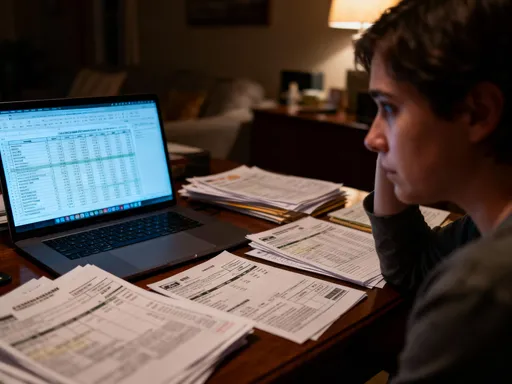
Paying for a child’s sports training can feel like a financial marathon. Between equipment, travel, and monthly fees, costs pile up fast. I’ve been there—juggling budgets, cutting corners, and searching for smarter ways to keep my kid in the game. What I learned changed how I handle education expenses forever. It’s not about spending less—it’s about managing better. Financial strain from youth sports affects millions of families, even those with stable incomes. The emotional weight of choosing between a child’s passion and household stability is real. But with clearer planning, strategic choices, and a shift in mindset, it’s possible to support athletic development without compromising long-term financial health. This is not just about saving money—it’s about building a sustainable path forward.
The Hidden Price of Passion: Understanding Sports Training Expenses
You love seeing your child thrive in sports, but the bills? Not so thrilling. From registration fees to tournament travel, specialty gear to private coaching, the financial pressure mounts quickly. Many families don’t realize how much they’re spending until it starts affecting other priorities. This isn’t just about recreation—it’s a long-term commitment with real costs. Recognizing every expense line item is the first step toward control. When you map it all out, patterns emerge. Maybe the weekly private lesson isn’t delivering progress, or that elite travel team means double the hotel bills. Awareness doesn’t reduce costs, but it reveals where your money actually goes—so you can make intentional choices instead of emotional ones.
Consider the full scope: registration fees are only the beginning. Uniforms, equipment, footwear, and protective gear add hundreds per season. Travel teams bring airfare, accommodations, and per diems into play. Some sports—like gymnastics, hockey, or swimming—require year-round indoor access, which comes at a premium. Even local leagues may charge facility surcharges or fundraising obligations. These costs often escalate as a child improves and moves into more competitive tiers. A study by the National Alliance for Youth Sports found that nearly 70% of families spend over $500 annually per child on sports, with 20% exceeding $1,000. These figures don’t include incidental costs like meals on the road or time off work for parents.
What makes this spending particularly challenging is its unpredictability. An unexpected tournament qualification, a lost piece of equipment, or a sudden coaching change can trigger unplanned expenses. Without a clear picture of these outflows, families risk falling into reactive financial behavior—using credit cards or dipping into savings meant for other goals. Tracking every dollar spent over three months can illuminate spending habits and identify inefficiencies. For example, one family discovered they were paying for two overlapping training programs that offered similar skill development, allowing them to consolidate and save nearly $300 per year. Transparency breeds control, and control leads to confidence.
Why Sports Training Is an Investment, Not Just a Cost
It’s easy to see sports fees as pure spending, but reframing them as wealth-building investments changes everything. Discipline, teamwork, and resilience gained through training often translate into future academic and career advantages. Some athletes even earn scholarships, turning today’s payments into tomorrow’s savings. The return isn’t always financial, but the long-term value is real. Families who treat this as strategic spending—setting goals, measuring progress, adjusting as needed—stay more motivated and less stressed. Like any investment, timing and selection matter. Choosing the right programs at the right stage maximizes impact without overspending.
Research from the Aspen Institute shows that student-athletes are more likely to graduate high school, attend college, and report higher levels of self-esteem. These outcomes have tangible economic benefits. College graduates earn significantly more over their lifetimes than non-graduates, and athletic scholarships can eliminate tens of thousands in tuition costs. The NCAA reports that over $3.6 billion in athletic scholarships are awarded annually, with many going to athletes from mid- to low-income families. Even without a scholarship, the soft skills developed through sports—time management, goal setting, handling pressure—are highly valued in the workforce.
This perspective shifts the conversation from cost avoidance to value optimization. Instead of asking, “How can we spend less?” families begin asking, “Where will our money have the greatest impact?” A $100-per-month skills clinic that leads to a varsity spot may offer better returns than a $150-per-month general fitness class. The key is aligning spending with measurable outcomes. Progress should be reviewed quarterly: Is your child improving technically? Are they enjoying the experience? Are they gaining access to better competition or coaching? If not, it may be time to reallocate resources. Viewing sports spending as an investment encourages patience, discipline, and long-term thinking—qualities that benefit all areas of family finance.
Building a Flexible Budget That Supports Athletic Goals
A rigid budget fails when unexpected tournament fees pop up. A flexible one adapts. Start by separating essential costs—like basic registration—from optional ones, such as branded apparel or extra camps. Allocate a base monthly amount, then create a separate “sports fund” for variable expenses. Automate small transfers to this fund so it grows steadily. When big bills arrive, you’re ready. Also, schedule regular budget check-ins—every quarter works well. Review what’s working, where you overspent, and whether goals have changed. This habit keeps your finances aligned with reality, not wishful thinking.
Begin by calculating your average annual sports spending. Add up last year’s expenses: registration, equipment, travel, coaching, and incidentals. Divide that total by 12 to determine a baseline monthly contribution. For example, if your family spent $1,800 last year, aim to save $150 per month moving forward. Open a dedicated savings account—preferably one with a modest interest rate—and set up an automatic transfer on payday. This “pay yourself first” approach ensures consistency. Over time, the fund becomes a financial cushion, reducing stress when unexpected costs arise.
Flexibility also means being responsive to change. If your child transitions from recreational to competitive play, adjust the budget accordingly. If they decide to focus on a different sport, reallocate funds instead of abandoning the savings plan. Some families use envelope budgeting digitally—labeling portions of their savings for “equipment,” “travel,” and “fees”—to maintain clarity. During quarterly reviews, involve older children in the discussion. This builds financial literacy and ensures everyone is aligned on priorities. The goal isn’t perfection—it’s sustainability. A budget that bends without breaking is far more effective than one that collapses under pressure.
Smart Cost-Cutting Tactics That Don’t Hurt Performance
You don’t have to quit the team to save money. Try used equipment from local groups or end-of-season sales—helmets and cleats often resell in great condition. Carpooling with other families cuts fuel and hotel costs during away events. Some clubs offer volunteer discounts—help with event setup and reduce your fees. Off-season training at public facilities can replace pricier indoor programs. The key is prioritizing performance-boosting spending while trimming the rest. Every dollar saved here can go toward better coaching or nutrition—real game-changers.
Equipment is one of the most visible and avoidable expenses. High-quality gear doesn’t always have to be new. Online marketplaces, community boards, and youth sports exchanges are filled with gently used items. A lightly worn pair of soccer cleats or a nearly new baseball mitt can cost 50–70% less than retail, with no loss in function. Some towns host seasonal sports swaps where families trade or sell gear directly. Buying just one or two used items per season can save hundreds. Similarly, end-of-season sales at sporting goods stores often offer deep discounts on last year’s models, which perform just as well as current ones.
Travel is another major cost driver, especially for regional or national competitions. Coordinating carpools reduces both fuel and vehicle wear. Families can split hotel rooms or opt for vacation rentals with kitchens to save on meals. Planning trips early allows access to lower airfares and accommodations. Some leagues offer group booking discounts—ask the coach or administrator. For local training, explore public parks, school gyms, or community centers that offer open practice time at low or no cost. These spaces may lack the polish of private facilities, but they serve the purpose just as well.
Clubs and organizations often provide cost-saving opportunities in exchange for participation. Volunteering at tournaments, helping with registration, or assisting with field maintenance can earn fee reductions or waivers. These programs reward commitment and strengthen community ties. Additionally, some leagues offer sibling discounts or early registration incentives. Being proactive—asking about available options—can uncover savings that aren’t widely advertised. The goal isn’t to cut corners, but to redirect funds toward what truly enhances performance: quality coaching, proper nutrition, and consistent practice.
Leveraging Scholarships, Grants, and Community Support
Many overlook free money hiding in plain sight. Local businesses, sports nonprofits, and youth foundations offer grants for talented or low-income athletes. Schools and clubs often have assistance programs—just ask. National organizations sometimes provide gear donations or fee waivers. Applying takes effort, but even partial support eases the load. Build a simple tracker for deadlines and requirements. Treat the search like a part-time job. You’d be surprised how many opportunities exist if you know where to look.
Financial aid for youth sports is more available than most assume. Local rotary clubs, Lions clubs, and chambers of commerce frequently sponsor youth athletes or fund equipment drives. Some credit unions and banks offer small grants to members involved in extracurricular activities. National groups like the Boys & Girls Clubs of America, the YMCA, and Positive Coaching Alliance provide resources, scholarships, or sliding-scale fees based on income. Even sport-specific organizations—such as USA Swimming or U.S. Soccer—have outreach programs for underserved communities.
The key is persistence and organization. Create a spreadsheet listing potential sources, eligibility criteria, application deadlines, and required documents. Start with local options, as they often have fewer applicants and faster decisions. Prepare a brief personal statement explaining your child’s commitment, achievements, and financial need. Include a coach’s recommendation if possible. Some applications may require tax documents or proof of income—gather these in advance. Even if you don’t qualify for full aid, partial assistance can reduce registration fees by 25–50%, freeing up funds for other needs.
Don’t underestimate the power of asking. Many programs exist but go underutilized because families assume they won’t qualify. Coaches and league administrators are often aware of hidden resources and may guide you to opportunities. Some schools include athletic financial aid in their broader student support services. Community centers may offer subsidized training slots. The act of applying builds resilience and teaches children that support is available when you seek it responsibly. Every dollar received through a grant is a dollar that doesn’t come from your savings—a small win with long-term benefits.
Teaching Kids Financial Awareness Through Sports Spending
When kids understand cost, they value effort more. Involve them in budget talks—show how much practice costs per hour. Let them save for a new pair of gloves or pay part of a camp fee. This builds responsibility and appreciation. Some families use a “shared cost” model: parents cover basics, kids contribute from allowance or chores for extras. It’s not about burdening them—it’s about creating awareness. These lessons extend far beyond sports.
Financial education doesn’t have to be complex. Simple conversations can have lasting impact. Explain that two hours of training might cost $40—equivalent to four new video games or a family dinner out. When children grasp the trade-offs, they often become more engaged and respectful of the opportunity. Older kids can track their own spending on sports-related items, set savings goals, or earn money through household tasks to contribute. This fosters a sense of ownership and reduces entitlement.
The shared cost model works well for non-essential items. Parents pay for registration, basic gear, and transportation, while children use allowance or earnings to buy accessories, custom jerseys, or optional camps. This teaches delayed gratification and prioritization. A child who saves for three months to buy new cleats is more likely to care for them and appreciate the investment. Some families match their child’s savings—dollar for dollar—up to a certain amount, turning it into a mini-matching program, similar to retirement plans.
These experiences build financial confidence that lasts into adulthood. Children learn to budget, weigh value, and make informed choices. They see money not as an infinite resource, but as a tool to achieve goals. These lessons apply to college planning, car purchases, and future investments. By integrating financial awareness into sports participation, parents do more than manage costs—they prepare their children for lifelong financial health.
Long-Term Wealth Management: Balancing Passion with Financial Health
Supporting athletic dreams shouldn’t drain your retirement or emergency fund. Keep sports spending within a sustainable percentage of income. If costs exceed that, reevaluate. Use windfalls—tax refunds, bonuses—strategically, not automatically for fees. Consider long-term accounts that grow over time, earmarked for education or training peaks. The goal isn’t to stop investing in your child—it’s to do it wisely, without risking family stability. Because true wealth isn’t just savings—it’s peace of mind.
Financial advisors often recommend that discretionary spending—including extracurriculars—stay below 15–20% of household income. If sports costs are pushing beyond that, it’s time for a strategic review. Are all current programs necessary? Can some be paused or replaced with lower-cost alternatives? Is the level of competition aligned with your child’s goals and enjoyment? Scaling back isn’t failure—it’s responsible stewardship. A temporary shift to recreational play can preserve family finances while keeping the passion alive.
Windfalls offer a smart way to cover spikes in sports spending without disrupting the budget. Tax refunds, holiday bonuses, or gifted money can be directed toward registration fees, equipment upgrades, or travel costs. Setting a rule—such as allocating 50% of any unexpected income to sports—ensures these funds are used intentionally. Similarly, long-term savings vehicles like 529 plans or custodial accounts can be used for qualified educational expenses, including some training programs if they’re part of a structured curriculum.
The ultimate goal is balance. Supporting a child’s passion should enhance family life, not strain it. When financial decisions are made with clarity, purpose, and foresight, they contribute to a deeper sense of security and well-being. Sports teach perseverance, teamwork, and goal setting—values that mirror sound financial management. By aligning athletic support with responsible money habits, families build not just athletic potential, but lasting financial strength. In the end, the most valuable legacy isn’t trophies or titles—it’s the knowledge that dreams can be pursued wisely, sustainably, and together.