Glow Up from the Inside: What I Learned About Skin-Boosting Foods
You’ve probably noticed—your skin reacts to everything. That late night, the stress pile-up, what you ate for breakfast. But what if the real secret isn’t in your serum, but your smoothie? After years of chasing clear, radiant skin with creams and routines, I finally saw real change when I started paying attention to what I was actually eating. Turns out, your diet doesn’t just affect your energy or weight—it shows up on your face. This isn’t about perfection, but progress: small, doable shifts that actually work. Let’s talk about how food fuels your skin, in a way that feels simple, sustainable, and seriously worth it.
The Skin-Gut Connection: Why What You Eat Shows on Your Face
The skin is often seen as a mirror of internal health, and one of the most powerful reflections comes from the gut. Behind the scenes, your digestive system plays a critical role in determining how your skin looks and feels. When you eat, your body breaks down food into nutrients, which are absorbed through the intestinal lining and transported via the bloodstream to cells throughout the body—including those in the outermost layer of your skin. A well-functioning digestive tract ensures that essential vitamins, minerals, and antioxidants reach skin cells efficiently, supporting repair, hydration, and protection against environmental damage.
However, when the gut is imbalanced—whether due to poor diet, stress, or antibiotic use—it can trigger inflammation that travels through the body and surfaces as skin concerns. Conditions like acne, rosacea, eczema, and dullness have all been linked to what’s happening inside the digestive system. For example, an overgrowth of harmful bacteria or increased intestinal permeability, often referred to as “leaky gut,” may allow toxins and undigested particles to enter the bloodstream, prompting an immune response that can manifest as redness, swelling, or breakouts.
One of the most well-documented connections is between high-sugar diets and acne. When you consume foods that rapidly spike blood sugar, like white bread or sugary snacks, your body releases insulin to manage the influx of glucose. Elevated insulin levels can increase the production of sebum, the oily substance that clogs pores and leads to breakouts. Additionally, insulin-like growth factor 1 (IGF-1) is also stimulated, which has been shown in research to promote skin cell overgrowth and inflammation—both key contributors to acne development.
On the other hand, dry or flaky skin may point to a deficiency in essential fatty acids. Omega-3 and omega-6 fats are vital for maintaining the skin’s lipid barrier, which locks in moisture and protects against irritants. Without enough of these fats—often lacking in diets low in fish, nuts, and seeds—the skin can become more vulnerable to water loss and environmental stressors. Similarly, low levels of vitamin A, found in leafy greens and orange vegetables, can slow skin cell turnover, leading to a rough, uneven texture.
Supporting gut health isn’t just about avoiding problem foods; it’s also about feeding the beneficial bacteria that live in your intestines. These microbes thrive on fiber-rich plant foods, such as vegetables, fruits, legumes, and whole grains. When they digest fiber, they produce short-chain fatty acids like butyrate, which help reduce systemic inflammation and strengthen the gut lining. This, in turn, supports clearer, calmer skin. Fermented foods like yogurt, kefir, sauerkraut, and kimchi also contribute beneficial probiotics, which may help balance the gut microbiome and reduce skin flare-ups.
Understanding this connection shifts the focus from treating skin symptoms externally to nurturing the body from within. It’s not about abandoning skincare routines, but rather recognizing that true radiance starts with internal balance. When digestion is functioning well and nutrients are being properly absorbed, the skin has the building blocks it needs to regenerate, defend, and glow.
Inflammatory Foods: What to Dial Back (Without Deprivation)
Certain foods have a well-established role in triggering inflammation, and their effects often show up on the skin. Refined sugars, processed carbohydrates, excessive dairy, and fried foods are among the most common dietary culprits behind breakouts, redness, and premature aging. These foods don’t just add empty calories—they actively disrupt the body’s hormonal and metabolic balance, setting the stage for skin concerns to develop.
Refined sugars, such as those found in candies, sodas, and baked goods, cause rapid spikes in blood glucose. As insulin surges to manage these spikes, it can stimulate androgen hormones and increase sebum production, creating an environment where acne thrives. Studies have shown that populations consuming low-glycemic diets—rich in whole grains, legumes, and vegetables—tend to have lower rates of acne compared to those eating high-glycemic diets. The glycemic load of a food, which measures how quickly it raises blood sugar, appears to be a key factor in skin health.
Processed carbohydrates, like white bread, pastries, and many breakfast cereals, behave similarly in the body. They are quickly broken down into sugar, leading to the same insulin-driven cascade that can compromise skin clarity. Even seemingly innocent snacks, such as crackers or granola bars loaded with added sugars, can contribute to chronic low-grade inflammation, which over time weakens the skin’s resilience and accelerates aging.
Dairy is another area of interest, particularly for those prone to hormonal acne. While not everyone reacts the same way, some research suggests that milk—especially skim milk—may increase levels of insulin-like growth factor 1 (IGF-1), which, as mentioned earlier, can stimulate oil production and skin cell growth. Additionally, dairy contains natural hormones that may influence the body’s own hormone balance, particularly in individuals who are sensitive. This doesn’t mean everyone needs to eliminate dairy, but reducing intake—especially of sugary, processed dairy products like flavored yogurts or ice cream—can be a helpful step for many.
Fried and ultra-processed foods are high in advanced glycation end products (AGEs), harmful compounds formed when foods are cooked at high temperatures. AGEs can accumulate in the skin, damaging collagen and elastin fibers, which are essential for firmness and elasticity. Over time, this contributes to wrinkles, sagging, and a dull complexion. These foods also tend to be low in nutrients and high in unhealthy fats, further promoting inflammation.
The good news is that managing these triggers doesn’t require strict elimination or perfection. A more sustainable approach is moderation and substitution. Instead of cutting out treats entirely, consider how often and how much you consume them. For example, swapping afternoon cookies for a piece of fruit with a spoonful of almond or peanut butter provides natural sweetness along with fiber, healthy fats, and protein—nutrients that stabilize blood sugar and keep cravings in check. Choosing whole grain bread over white bread, or opting for a small portion of dark chocolate instead of milk chocolate, can make a meaningful difference over time.
Another helpful strategy is mindful pairing. Eating a balanced meal or snack that includes protein, fiber, and healthy fats can slow the absorption of sugar and reduce its impact on the skin. For instance, having a slice of toast with avocado and a boiled egg is far more supportive of skin health than toast with jam alone. These small, realistic changes add up, allowing you to enjoy your favorite foods while still nurturing your skin from within.
Hydration Beyond Water: Keeping Skin Plump from Within
While drinking water is essential for overall health, true skin hydration goes beyond how many glasses you consume each day. The skin’s moisture levels depend on a combination of internal hydration, nutrient availability, and the integrity of the skin barrier. Water moves into skin cells, but it needs support to stay there—this is where diet plays a crucial role. Without the right nutrients, even someone who drinks plenty of water may still experience dryness, tightness, or a lack of glow.
Water-rich foods are a powerful yet often overlooked source of hydration. Cucumbers, for example, are over 95% water and also contain antioxidants like vitamin C and caffeic acid, which help soothe irritation and protect against environmental damage. Oranges, watermelon, strawberries, and celery are other excellent choices, offering both fluid and skin-supportive nutrients. Including these foods in your daily meals—whether in salads, smoothies, or as snacks—can significantly boost your total water intake in a delicious, nutrient-dense way.
Electrolytes also play a key role in hydration. Minerals like potassium, sodium, magnesium, and calcium help regulate fluid balance within and around cells. When electrolytes are in harmony, water is more effectively retained in tissues, including the skin. Bananas, spinach, sweet potatoes, and coconut water are natural sources of potassium, which helps counteract sodium and supports cellular hydration. Including a variety of mineral-rich foods throughout the day ensures that your body can maintain optimal fluid levels.
Equally important is the health of the cell membrane, which acts as a gatekeeper for water and nutrients. The integrity of this membrane depends on healthy fats, particularly omega-3 fatty acids and phospholipids. These fats help maintain the skin’s natural lipid barrier, preventing water from escaping and keeping irritants out. Without enough of these fats, the skin can become more permeable to moisture loss, leading to dryness and sensitivity. This is why diets lacking in essential fats often result in flaky, rough skin—even with adequate water intake.
Signs of dehydration can appear on the skin long before you feel thirsty. Tightness, especially after washing your face, is a common indicator. Flakiness, particularly around the cheeks or forehead, may also signal that your skin isn’t holding moisture effectively. Darker under-eye circles can be exacerbated by dehydration, as the thin skin in that area becomes more translucent when fluid levels are low. While topical moisturizers can help temporarily, addressing the root cause through diet leads to more lasting results.
To support deep hydration, aim for a diet rich in both fluids and moisture-retaining nutrients. Start your day with a hydrating smoothie made with cucumber, spinach, banana, and almond milk. Snack on juicy fruits like melon or berries. Include sources of healthy fats such as avocado, chia seeds, or walnuts in your meals. These choices work together to keep your skin plump, supple, and resilient from the inside out.
Skin Superfoods: Real Foods That Actually Help
When it comes to glowing skin, some foods stand out for their powerful nutrient profiles and direct impact on skin health. These aren’t exotic or hard-to-find ingredients—they’re real, accessible foods that can easily become part of your everyday meals. What makes them special is the combination of vitamins, antioxidants, and healthy fats they deliver, all of which play specific roles in supporting skin structure, repair, and protection.
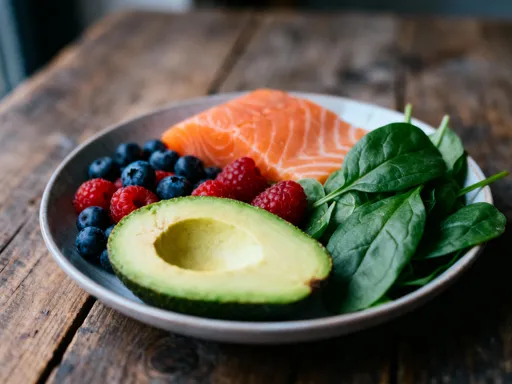
Avocados are a standout for their rich content of monounsaturated fats and vitamin E. These healthy fats help maintain the skin’s moisture barrier, reducing water loss and improving elasticity. Vitamin E is a potent antioxidant that protects skin cells from oxidative damage caused by UV exposure and pollution. Studies have shown that diets higher in healthy fats are associated with better skin texture and fewer signs of aging. Adding avocado to salads, toast, or smoothies is a simple way to boost your intake without feeling like you’re making a drastic change.
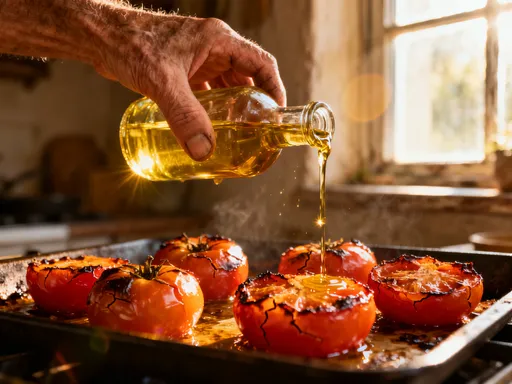
Spinach and other leafy greens like kale and Swiss chard are excellent sources of vitamin A, vitamin C, and antioxidants such as lutein and beta-carotene. Vitamin A supports skin cell turnover, helping to prevent clogged pores and maintain a smooth surface. Vitamin C is essential for collagen synthesis, the protein that gives skin its firmness and structure. It also helps neutralize free radicals and brighten the complexion. Including a handful of spinach in a morning smoothie or sautéing greens with garlic and olive oil for dinner can significantly increase your intake of these vital nutrients.
Berries—especially blueberries, strawberries, and raspberries—are packed with vitamin C and polyphenols, plant compounds with strong anti-inflammatory and antioxidant properties. These compounds help protect the skin from environmental stressors and may reduce the breakdown of collagen over time. The natural sweetness of berries also makes them a satisfying alternative to sugary desserts, supporting both skin and overall health.
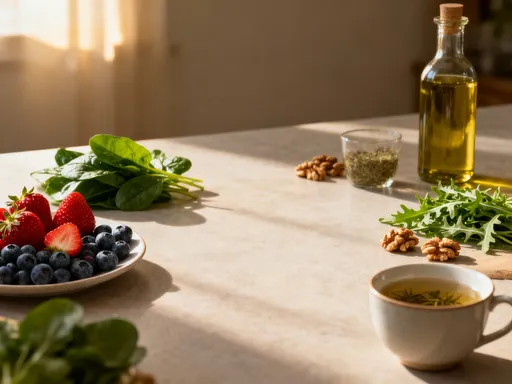
Nuts and seeds, such as almonds, sunflower seeds, and pumpkin seeds, are rich in vitamin E, zinc, and selenium. Vitamin E works alongside vitamin C to defend against oxidative damage. Zinc plays a role in wound healing and immune function, and low levels have been linked to acne and delayed skin repair. Selenium supports the body’s antioxidant defenses and may help protect against UV damage. A small handful of mixed nuts or a tablespoon of seeds on yogurt or oatmeal can provide a concentrated dose of these skin-supportive nutrients.
Fatty fish like salmon, mackerel, and sardines are among the best sources of omega-3 fatty acids, particularly EPA and DHA. These fats have been shown to reduce inflammation, improve skin hydration, and support the integrity of the skin barrier. Research suggests that regular consumption of fatty fish may help reduce the severity of acne, eczema, and psoriasis. For those who don’t eat fish, plant-based sources like flaxseeds, chia seeds, and walnuts provide alpha-linolenic acid (ALA), a precursor to EPA and DHA, though conversion in the body is limited.
The beauty of these superfoods is that they don’t have to be consumed in large quantities to make a difference. Small, consistent additions to your meals—like sprinkling seeds on a salad, adding berries to breakfast, or enjoying a piece of fatty fish twice a week—can create noticeable improvements over time. It’s not about perfection, but about making choices that support your skin every day.
Meal Timing and Blood Sugar: The Hidden Factor in Clear Skin
When and how you eat can be just as important as what you eat—especially when it comes to skin health. Irregular meal patterns, skipping meals, or consuming unbalanced snacks can lead to blood sugar fluctuations, which in turn affect hormone levels and inflammation. Over time, these imbalances can contribute to breakouts, oiliness, and a lack of radiance.
The body thrives on consistency. Going too long without eating can cause blood sugar to drop, leading to fatigue, irritability, and intense cravings—often for sugary or starchy foods. When these foods are consumed, blood sugar spikes rapidly, triggering a surge in insulin. As previously discussed, high insulin levels can stimulate sebum production and increase inflammation, both of which are linked to acne. This cycle can repeat throughout the day, especially if meals are skipped and replaced with quick, processed snacks.
One effective strategy is to eat balanced meals at regular intervals—typically every 3 to 4 hours. This helps maintain steady energy levels and prevents the rollercoaster of highs and lows that can disrupt skin health. A balanced meal includes a combination of protein, fiber-rich carbohydrates, and healthy fats. This trio works together to slow the absorption of sugar into the bloodstream, keeping insulin levels stable and reducing the risk of breakouts.
A simple way to visualize this is the plate method: fill half your plate with non-starchy vegetables like broccoli, peppers, or greens; one-quarter with lean protein such as chicken, tofu, or beans; and one-quarter with complex carbohydrates like quinoa, sweet potatoes, or brown rice. This approach ensures a steady release of energy and provides a wide range of nutrients that support skin repair and protection.
Snacks also matter. Choosing options that combine protein and fiber—like apple slices with almond butter, Greek yogurt with berries, or hummus with carrot sticks—can prevent blood sugar spikes and keep hunger at bay. Avoiding sugary drinks and processed snacks between meals further supports metabolic balance.
For many women, especially those in their 30s and beyond, hormonal shifts can make blood sugar regulation even more critical. As metabolism slows and insulin sensitivity decreases, the body becomes more prone to fat storage and skin concerns like adult acne. Eating regular, balanced meals helps counteract these changes, supporting both weight management and skin clarity.
Meal timing isn’t about rigid rules—it’s about creating a rhythm that supports your body’s natural processes. Listening to hunger cues, planning meals ahead, and preparing simple, nutrient-dense options can make a big difference in how your skin looks and feels over time.
Supplements? Maybe, But Food First
In the world of skincare, supplements like collagen, biotin, and omega-3s are often marketed as quick fixes for glowing skin. While some can offer support, it’s important to approach them with realistic expectations. Whole foods remain the most effective and reliable source of nutrients, offering a complex matrix of vitamins, minerals, and phytochemicals that work together synergistically.
Take collagen, for example. It’s a popular supplement said to improve skin elasticity and reduce wrinkles. While some studies suggest modest benefits, the body must break down ingested collagen into amino acids before it can be used—meaning it doesn’t directly “go to the skin.” In contrast, eating a varied diet rich in protein sources like eggs, fish, beans, and poultry provides the building blocks for collagen production naturally, along with other essential nutrients.
Biotin, a B-vitamin often promoted for hair and nail strength, is another commonly used supplement. However, true biotin deficiency is rare, and excess intake can interfere with lab tests and may even lead to breakouts in some individuals. Most people get enough biotin from foods like eggs, nuts, and whole grains. Unless a deficiency is confirmed through testing, supplementation is usually unnecessary.
Omega-3 supplements, such as fish oil, can be helpful for those who don’t consume fatty fish regularly. They may reduce inflammation and support skin hydration. However, whole fish provides not only omega-3s but also high-quality protein, vitamin D, and selenium—nutrients that work together to support overall health. If choosing a supplement, look for high-quality, third-party tested options and consult with a healthcare provider to determine the right dose.
The key principle is to prioritize food first. Supplements should fill gaps, not replace a balanced diet. They are not magic pills, and they cannot compensate for poor eating habits. Before starting any supplement, it’s wise to discuss it with a doctor or registered dietitian, especially if you have underlying health conditions or are taking medications.
Instead of chasing the latest supplement trend, focus on building a foundation of nutrient-dense meals. Over time, this approach delivers more consistent, lasting results for your skin and overall well-being.
Realistic Habits: Small Changes That Add Up Over Time
Transforming your skin through diet doesn’t require a complete overhaul. Lasting change comes from small, consistent habits that fit into real life. The goal isn’t perfection, but progress—choosing one nourishing meal a day, adding more vegetables to your plate, or swapping a processed snack for a whole food option. These choices, repeated over time, create a cumulative effect that supports clearer, healthier skin.
Start with what feels manageable. If breakfast is your most predictable meal, make it count. Try a smoothie with spinach, banana, berries, chia seeds, and almond milk. It’s quick, hydrating, and packed with skin-loving nutrients. If lunch tends to be rushed, prep a simple salad the night before with mixed greens, chickpeas, avocado, and a lemon-olive oil dressing. These small investments in preparation make healthy choices easier during busy days.
Batch-prepping smoothies or cutting up vegetables and storing them in containers can remove barriers to healthy eating. Keep easy snacks like nuts, fruit, or yogurt within reach so that when hunger strikes, you’re not tempted by less supportive options. These practical steps reduce decision fatigue and make it easier to stay on track.
Pay attention to how your skin responds. You may notice improvements in texture, reduced redness, or a more even tone before any dramatic changes occur. These non-scale victories are meaningful indicators of progress. Skin renewal takes time—typically 28 to 40 days—so patience is essential.
Treating your body with kindness through food is one of the most powerful forms of self-care. Every meal is an opportunity to nourish yourself from the inside out. When you choose foods that support your skin, you’re also supporting your energy, mood, and long-term health. This isn’t about restriction or chasing an unattainable ideal. It’s about making choices that honor your body and help you feel confident in your own skin.
Progress, not perfection, is the goal. Celebrate the small wins, stay consistent, and remember that real, lasting glow comes from within.