Pedaling Through Life: How Cycling Transformed My Daily Routine
You know that sluggish feeling most people carry—low energy, stiff joints, brain fog? I had it too, until I dusted off an old bike and started riding. Not for races or records, but simply to move. What began as shaky laps around the block sparked real change: more stamina, clearer thoughts, better sleep. Cycling didn’t just improve my fitness—it reshaped my relationship with daily life. And you don’t need fancy gear or pro skills to feel it too. This quiet shift, rooted in rhythm and repetition, is accessible to nearly anyone willing to try. It’s not about transformation overnight, but about showing up, one pedal at a time, and letting the body and mind adjust naturally.
The Hidden Struggle: Why Modern Life Leaves Us Physically Drained
Most adults spend the majority of their waking hours seated—commuting in cars, working at desks, relaxing on couches. This sedentary pattern has become so common that it’s often invisible, yet its effects are far-reaching. Prolonged sitting slows circulation, weakens muscles, and reduces joint mobility. Over time, this contributes to chronic conditions such as poor posture, lower back pain, and increased risk of cardiovascular disease. The body is designed for movement, not stillness, and when movement is missing, even basic functions begin to decline.
Mental fatigue often follows physical stagnation. Without regular physical stimulation, the brain receives less oxygen and fewer neurochemical signals that support focus and emotional balance. Many people report feeling mentally sluggish by mid-afternoon, struggling to concentrate or make decisions. This isn’t simply due to workload—it’s also a consequence of inactivity. The connection between body and mind is deep, and when one suffers, the other follows closely behind.
Daily routines often amplify the problem. Long commutes, screen-heavy jobs, and family responsibilities leave little time or energy for exercise. Even those who want to be active may feel too exhausted to start. The irony is that the very thing that could restore energy—movement—is the first thing sacrificed. This creates a cycle: fatigue leads to inactivity, which deepens fatigue. Breaking this cycle doesn’t require dramatic changes, but it does require a sustainable, low-barrier solution.
For many, the idea of exercise feels intimidating—images of crowded gyms, intense workouts, or complicated routines can feel overwhelming. But movement doesn’t have to be extreme to be effective. In fact, gentle, consistent activity is often more beneficial in the long run than sporadic bursts of effort. The key is finding a form of exercise that feels manageable, enjoyable, and integrated into daily life. That’s where cycling enters the picture—not as a fitness challenge, but as a practical, accessible way to reintroduce movement into an otherwise static routine.
Why Cycling Stands Out Among Fitness Options
Among the many forms of physical activity available, cycling occupies a unique space. It’s low-impact, meaning it places minimal stress on joints while still delivering cardiovascular and muscular benefits. Unlike running, which can strain knees and ankles, or weightlifting, which requires proper form and equipment, cycling is inherently joint-friendly. The smooth, circular motion of pedaling allows for sustained effort without jarring the body, making it ideal for people of all ages and fitness levels.
Another advantage is scalability. A beginner can start with short, slow rides on flat terrain and gradually increase distance and intensity over time. Someone more experienced might tackle hills or longer distances, but the core action remains the same. This adaptability means cycling can grow with the individual, offering continuous challenge without requiring a complete overhaul of routine. Whether recovering from injury, managing chronic pain, or simply starting from a sedentary baseline, cycling meets people where they are.
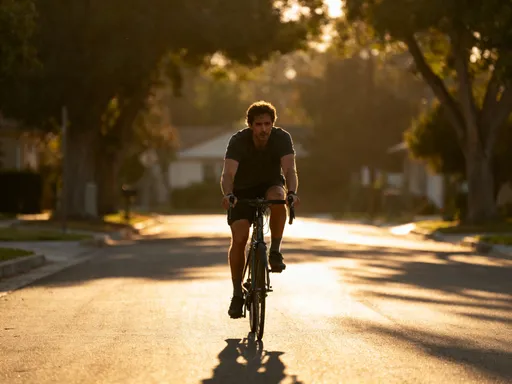
Integration into daily life is where cycling truly shines. Unlike gym-based workouts that require dedicated time and travel, cycling can replace existing activities. Biking to the grocery store, to a friend’s house, or to work turns errands into exercise. Even a 15-minute ride to pick up children from school adds movement without disrupting the schedule. This seamless blending of fitness and function removes the mental barrier of “making time” to exercise—a major hurdle for busy adults.
Additionally, cycling is often more enjoyable than other forms of exercise. The sense of freedom, the changing scenery, and the rhythmic nature of pedaling create a meditative experience for many riders. Being outdoors increases exposure to natural light, which supports circadian rhythm and mood regulation. Even in urban environments, cycling offers a different perspective—slower than driving, faster than walking—allowing riders to notice details they might otherwise miss. This combination of physical benefit and sensory engagement makes cycling not just sustainable, but something many come to look forward to.
What Actually Happens in Your Body When You Ride
When you begin pedaling, a cascade of physiological changes occurs, many of which happen without conscious effort. The heart rate increases gradually, pumping more blood to working muscles. Over time, this strengthens the heart muscle itself, improving its efficiency. Cardiovascular fitness isn’t built in a single ride, but through consistent effort, the body learns to deliver oxygen more effectively, reducing fatigue during daily tasks.
Blood circulation improves significantly during cycling. Enhanced blood flow delivers oxygen and nutrients to muscles, organs, and the brain. This is especially important for cognitive function—studies have shown that regular aerobic activity supports memory, focus, and mental processing speed. The brain, which uses a disproportionate amount of the body’s energy, thrives when blood flow is optimized. Many riders notice improved clarity and concentration within weeks of starting a routine.
At the cellular level, mitochondria—the energy-producing structures within cells—become more active and numerous with regular aerobic exercise. This means the body becomes better at generating energy from food, leading to sustained stamina rather than energy spikes and crashes. This metabolic adaptation is one reason why people often feel less tired overall, even as they become more active. The body shifts from being energy-conservative to energy-efficient.
Simultaneously, the body releases endorphins and other mood-regulating chemicals such as serotonin and dopamine. These natural compounds help reduce stress, elevate mood, and promote a sense of well-being. Unlike pharmaceutical interventions, these effects are side-effect-free and self-regulated by the body’s own systems. Many people report feeling calmer and more centered after a ride, even if they started feeling tense or overwhelmed.
Muscle engagement is another key benefit. Cycling primarily activates the quadriceps, hamstrings, glutes, and calves, but it also involves the core and stabilizing muscles. Unlike isolated strength training, cycling promotes functional strength—muscles working together in coordination. This translates to better balance, improved posture, and greater ease in daily movements like climbing stairs or carrying groceries. Over time, joint stability improves, reducing the risk of injury and discomfort.
Starting Small: The First Steps That Actually Stick
The biggest obstacle to beginning any new habit is often the expectation of immediate results. People may aim for 30-minute rides five days a week right from the start, only to burn out within a few weeks. A more effective approach is to start small—so small that it feels almost too easy. A 10- to 15-minute ride around the neighborhood, once or twice a week, is a powerful beginning. The goal isn’t intensity; it’s consistency.
Choosing the right bike is important, but perfection isn’t required. A comfortable, well-maintained bicycle—whether a hybrid, cruiser, or mountain bike—is sufficient. Ensuring the seat is at the correct height, the tires are properly inflated, and the brakes work smoothly makes the experience safer and more enjoyable. For those unsure about mechanical checks, a visit to a local bike shop for a tune-up can provide peace of mind.
Route selection matters, especially in the beginning. Quiet streets, bike paths, or park trails reduce stress and increase safety. The focus should be on comfort, not speed or distance. Wearing supportive footwear—avoiding flip-flops or loose sandals—helps maintain control and prevents foot fatigue. A helmet, while not always legally required, is a wise safety choice that protects against unexpected falls.
Tracking progress can be motivating, but it doesn’t require expensive gear. Simple smartphone apps can record distance, time, and route, offering a visual record of improvement. However, the most important metric is consistency—showing up, rain or shine, even if the ride is short. Celebrating small wins, like completing three rides in a week or noticing less breathlessness, reinforces the habit. Over time, these small efforts accumulate into significant change.
Adapting Cycling to Different Lifestyles and Abilities
Cycling is not a one-size-fits-all activity. Urban dwellers may use bikes for commuting, taking advantage of bike lanes and city trails. Rural residents might enjoy longer rides through scenic countryside, where traffic is lighter and air is fresher. For those with mobility limitations, adaptive bicycles—such as recumbent bikes or hand cycles—offer alternatives that accommodate physical challenges. The goal is accessibility, not uniformity.
E-bikes have revolutionized cycling for many people. By providing pedal assistance, they reduce the physical demand without eliminating the effort. This makes cycling feasible for individuals managing fatigue, joint pain, or lower fitness levels. An e-bike can help someone keep up with a partner, tackle hills with less strain, or extend their range without exhaustion. It’s not “cheating”—it’s enabling, allowing more people to participate in the benefits of cycling.
Busy schedules don’t have to be a barrier. Micro-rides—short trips integrated into existing routines—can add up quickly. Biking to the pharmacy, to a coffee shop, or to meet a friend for lunch turns errands into movement. Parents might ride to school drop-offs or extracurricular activities. Even combining cycling with public transit—biking to a train station, for example—increases daily activity without requiring large blocks of time.
Indoor options also expand accessibility. Stationary bikes, spin classes, or indoor cycling apps allow for workouts regardless of weather or safety concerns. These can be especially helpful during winter months or in areas with limited bike infrastructure. The key is maintaining the rhythm of movement, whether outdoors or indoors. Flexibility in approach ensures that cycling remains a viable option year-round.
Beyond Fitness: Mental Clarity, Routine, and Everyday Joy
While physical improvements are often the initial motivation, many cyclists discover that the mental and emotional benefits are equally valuable. The rhythmic motion of pedaling creates a meditative effect for some, helping quiet a busy mind. The repetition of the pedal stroke, combined with the flow of the ride, can break cycles of rumination and anxiety. This isn’t a forced mindfulness practice—it emerges naturally from the act of moving through space.
Exposure to nature and fresh air further enhances mental well-being. Even short rides through tree-lined streets or parks increase contact with green spaces, which numerous studies have linked to reduced stress and improved mood. Natural light helps regulate sleep-wake cycles, particularly when rides occur in the morning or early afternoon. This can lead to better sleep quality, which in turn supports emotional resilience and cognitive function.
Many riders report a quiet sense of accomplishment after a ride, even if it was brief. This feeling isn’t tied to performance metrics but to the simple act of showing up. That sense of agency—choosing to move, to care for oneself—can ripple into other areas of life. Small successes build confidence, making it easier to make other healthy choices, such as eating well or setting boundaries with screen time.
Routine itself becomes a source of stability. Knowing that a ride is part of the day provides structure and something to look forward to. For those managing stress or emotional ups and downs, this predictability can be grounding. The bike becomes more than a piece of equipment—it becomes a companion in daily life, a tool for balance and renewal.
Making It Last: Turning Rides Into a Lifelong Habit
Sustainability is the true measure of success. Many people start exercise programs with enthusiasm, only to lose momentum within weeks. To make cycling last, it must be enjoyable, not just productive. Focusing solely on outcomes—weight loss, speed, distance—can lead to frustration if progress stalls. Instead, finding joy in the experience—feeling the breeze, listening to birds, discovering new routes—keeps motivation alive.
Pairing rides with other pleasures can deepen engagement. Listening to podcasts, audiobooks, or favorite music makes time pass quickly and turns rides into moments of personal enjoyment. Some join local cycling groups or ride with friends, turning exercise into social connection. These layers of meaning make it more likely that cycling will endure, even during busy or stressful periods.
Weather and seasons will challenge consistency, but preparation helps. Layered clothing, fenders, lights, and proper tires allow for safe riding in rain, wind, or cold. Having an indoor option—a stationary bike or a favorite cycling video—ensures that movement continues even when outdoor conditions are unfavorable. The goal isn’t perfection, but persistence. Missing a ride is not failure; getting back on the bike is success.
Over time, cycling becomes less of a “workout” and more of a way of living. It’s not about transforming into an athlete, but about feeling more alive in everyday moments. The body moves more freely, the mind thinks more clearly, and the spirit feels lighter. This is not a temporary fix, but a lasting shift—one pedal at a time.