How I Built Better Days: A Beginner’s Journey to Daily Healing Habits
Recovering from an injury or managing a health setback isn’t just about medical treatment—it’s about what you do every single day. I learned this the hard way. Small choices, like how I moved, rested, and fueled my body, slowly shaped my progress. This is not a miracle cure, but a real, step-by-step shift toward feeling stronger. If you're starting your own rehab journey, this is for you. Healing doesn’t happen in isolation; it grows from the routines we build, the patience we practice, and the quiet commitment to showing up—even when we don’t feel like it. This is the story of how I rebuilt my strength, not through dramatic changes, but through daily acts of care that added up over time.
The Wake-Up Call: When My Body Said “Enough”
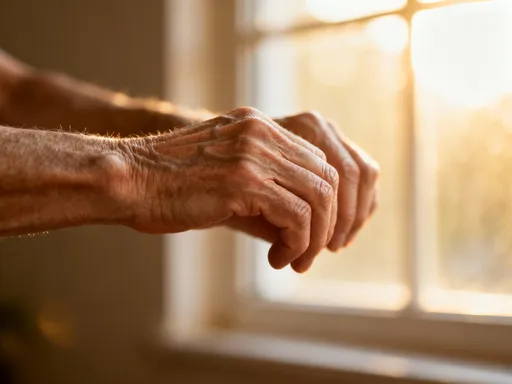
It started with a dull ache in my lower back that I ignored for months. I told myself it was just from sitting too long, from lifting groceries, from aging. But then the pain became constant. Simple tasks—bending to tie my shoes, standing up from the couch, carrying laundry up the stairs—became challenges. I felt stiff in the mornings, tired by midday, and frustrated by how much I had to slow down. My doctor’s words were clear: “Your body has been compensating for a long time. Now it’s asking for rest and rehabilitation.”
Hearing that was both a relief and a shock. Relief, because I wasn’t imagining it—there was a real reason for how I felt. Shock, because I had to face the truth: I could no longer push through. I had spent years prioritizing productivity over well-being, skipping stretches, ignoring discomfort, and treating rest as a luxury rather than a necessity. Now, my body had drawn a line. The emotional toll was just as heavy as the physical one. I felt isolated, even among family, because no one else seemed to understand how exhausting it was to move through the day in pain. I missed the ease of movement I once took for granted.
That moment became my turning point. I realized that healing wouldn’t happen just because I attended physical therapy appointments once a week. Real recovery had to live in my daily life—in how I sat, stood, walked, and rested. I needed to shift from waiting for a fix to becoming an active participant in my own recovery. It wasn’t about getting back to “normal” as quickly as possible. It was about building a new normal—one that honored my body’s limits and supported its ability to heal.
Rehab Isn’t Just Recovery—It’s Daily Maintenance
At first, I thought of rehabilitation as something temporary—a phase I would complete and then move on from. But the more I learned, the more I understood that true healing isn’t a finish line. It’s a practice. Just like brushing your teeth isn’t a one-time fix for oral health, rehab isn’t just for the weeks after an injury. It’s a form of daily maintenance that keeps your body functioning well over time. This mindset shift changed everything for me.
One of the most important lessons I learned was that consistency matters more than intensity. I used to believe that if I didn’t feel sore after a session, I hadn’t done enough. But in rehabilitation, that’s often the opposite of true progress. Pushing too hard can lead to setbacks, inflammation, and fear of movement. Instead, small, regular efforts—like five minutes of stretching each morning or a short daily walk—create lasting change. The body responds best to repetition, not force. Over time, these micro-efforts build strength, improve flexibility, and retrain movement patterns.
Science supports this approach. The concept of neuroplasticity shows that the brain can rewire itself based on repeated actions. When you practice gentle, correct movements every day, your nervous system begins to recognize them as safe and efficient. Similarly, muscle memory isn’t just for athletes—it’s for anyone rebuilding strength after inactivity. Your muscles “remember” how to work properly when you give them consistent cues. This is why missing a few days can make a difference. The body thrives on routine, and when you make rehab a habit, you’re not just recovering—you’re re-educating your body to move with ease.
The First Step: Designing My Morning Reset Routine
I knew I had to start somewhere small and sustainable. So I created a 15-minute morning routine that became my anchor. It wasn’t complicated—just gentle stretches, deep breathing, and drinking a glass of water. But it set the tone for my entire day. Before this, I would wake up, grab my phone, and immediately start planning my to-do list, often while still in bed. My body would go from still to stressed before I even stood up. Now, I begin with presence.
My routine starts with lying on my back and doing a few simple movements: pelvic tilts to wake up my lower back, knee-to-chest stretches, and gentle spinal twists. I follow that with diaphragmatic breathing—inhaling slowly through my nose, letting my belly rise, and exhaling fully. This activates the parasympathetic nervous system, which helps reduce stress and prepare the body for movement. Then, I sit up, drink a full glass of water, and take a moment to notice how my body feels. No judgment, just awareness.
This small ritual gave me a sense of control and calm. It also built confidence. At first, even these mild stretches made me nervous—what if I hurt myself? But doing them gently and consistently taught my body that movement wasn’t the enemy. Each morning, I experienced a small win: I showed up for myself. That feeling of accomplishment carried into the rest of my day. Over time, I noticed I had less stiffness, better posture, and more energy. What began as a simple reset became a foundation for healing.
Moving Without Fear: How I Relearned Basic Movement
One of the biggest hurdles I faced wasn’t physical—it was mental. After months of limiting my movement to avoid pain, I had developed a fear of doing too much. I would hesitate before standing up, walking, or reaching for something on a high shelf. My body had become stiff, yes, but my mind had become cautious to the point of restriction. I realized that to heal, I had to relearn how to move—not perfectly, but safely and steadily.
I started with low-impact activities that felt manageable. Walking became my first form of exercise. At first, I could only go around the block without discomfort. But I didn’t rush. I focused on posture—keeping my shoulders relaxed, my steps even, my breath steady. I used a pedometer not to hit a specific number, but to track progress. When I reached 2,000 steps without pain, it felt like a victory. Seated exercises were another key part of my early routine. I used a sturdy chair to do leg lifts, arm circles, and gentle torso rotations. These movements helped me regain range of motion without overloading my joints.
What helped most was tracking non-scale victories. I didn’t measure success by weight or speed. Instead, I celebrated things like being able to put on my socks without sitting down, standing in the kitchen for 20 minutes while cooking, or playing with my grandchildren without needing to sit. These moments reminded me that healing wasn’t about achieving a certain look—it was about regaining the ability to live fully. Over time, my confidence grew. I stopped asking, “Will this hurt?” and started asking, “How can I do this safely?” That shift in mindset made all the difference.
Fueling Recovery: What I Eat (and Don’t Eat) Matters More Than I Thought
I used to think of food as fuel—something to keep me going until the next meal. But during my recovery, I learned that nutrition plays a direct role in how the body repairs itself. Inflammation, tissue healing, energy levels—they’re all influenced by what we eat. This wasn’t about going on a diet or cutting out entire food groups. It was about making choices that supported my body’s healing process.
Protein became a priority. Muscles, tendons, and ligaments need amino acids to repair and rebuild. I started including a source of lean protein in every meal—eggs at breakfast, grilled chicken or beans at lunch, fish or tofu at dinner. I also paid more attention to hydration. Dehydrated tissues are less flexible and more prone to injury. I made it a habit to drink water throughout the day, starting with that first glass in the morning.
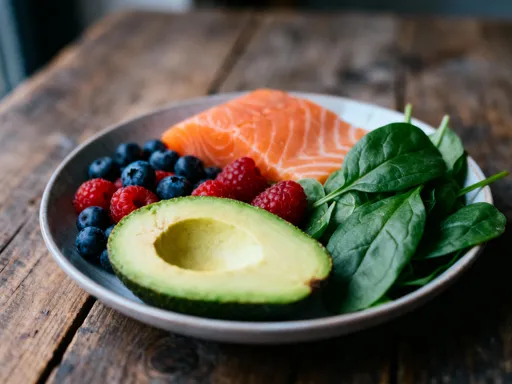
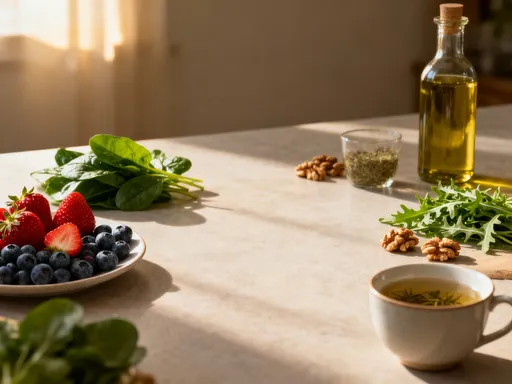
I also focused on anti-inflammatory foods. Chronic inflammation can slow healing and worsen pain. Instead of reaching for processed snacks, I chose whole foods: berries, leafy greens, nuts, seeds, and fatty fish like salmon. I added turmeric to soups and olive oil to salads—both have natural anti-inflammatory properties. I didn’t eliminate treats completely, but I reduced sugary, processed foods that could increase inflammation. The change wasn’t overnight, but over weeks, I noticed a difference. My joints felt less stiff, my energy was more stable, and I wasn’t as fatigued by midday. I stopped chasing quick fixes and started seeing food as medicine—something that could either support or hinder my progress.
Rest That Actually Works: Sleep, Stillness, and Listening to My Body
In the past, I equated rest with sleep—and only sleep when I was completely exhausted. But I learned that true rest includes stillness, mindfulness, and listening to your body’s signals. Overdoing it—even on “good” days—was one of the reasons my recovery stalled early on. I would feel better, do too much, and then pay for it with increased pain and fatigue the next day. I had to learn the art of pacing.
Sleep quality became a focus. I created a bedtime routine: turning off screens an hour before bed, dimming the lights, and doing light stretching or reading. I also paid attention to my sleep environment—keeping the room cool, quiet, and dark. Good sleep supports tissue repair, hormone balance, and mental clarity. When I slept well, I had more patience, better focus, and less pain.
But rest wasn’t just nighttime. I began building mindful pauses into my day. After sitting for 30 minutes, I would stand and stretch. After completing a task, I would take three deep breaths before moving to the next. These small breaks prevented stiffness and reduced mental fatigue. I also learned to honor my body’s signals. If I felt tightness or fatigue, I didn’t push through. I paused. I sat. I adjusted. This wasn’t weakness—it was wisdom. By respecting my limits, I actually progressed faster. Rest became an active part of healing, not something I did only when I was broken.
Staying on Track: Tools That Keep Me Consistent (Even on Hard Days)
Motivation fades. That’s normal. There were days when I didn’t feel like stretching, when walking seemed like too much, when cooking a healthy meal felt overwhelming. But I learned that consistency doesn’t depend on motivation—it depends on systems. I built simple tools to keep myself on track, even when my energy was low.
One of the most helpful was a habit tracker. I used a paper calendar and marked each day I completed my morning routine, went for a walk, or drank enough water. Seeing a chain of checkmarks gave me a sense of progress, even on days when I didn’t feel different. I also set micro-goals—tiny, achievable targets like “walk 10 minutes” or “do three stretches.” These were so small that I could usually convince myself to start. And once I started, I often did more.
Accountability made a difference too. I shared my goals with a close friend who checked in weekly. I also kept a journal where I wrote about how I felt, what I accomplished, and what I learned. Writing helped me process setbacks without judgment. On hard days, I returned to my “why”—the reason I started. Was it to play with my grandchildren? To cook without pain? To feel strong again? Remembering my purpose helped me adjust my plan without giving up. Healing isn’t linear, but with the right tools, it’s always possible to keep moving forward.
Healing isn’t a sprint or a dramatic transformation—it’s the quiet repetition of better choices. This journey taught me that real progress lives in daily habits, not grand gestures. By treating rehab as a lifestyle, not a phase, I didn’t just recover—I rebuilt a healthier version of myself. And if I can do it, so can you. Always consult your healthcare provider to tailor any plan to your needs.