Why Acupuncture and Massage Changed How I Think About Healing
For years, I chased quick fixes for chronic tension and low energy—until I tried acupuncture and massage not just as treatments, but as part of a smarter health mindset. Backed by science and rooted in body awareness, these therapies helped me tune into my body’s signals. It’s not about miracles—it’s about understanding how natural systems support recovery and resilience. This is what modern rehabilitation can really feel like.
The Hidden Cost of Ignoring Body Signals
Many people live with subtle but persistent physical warnings—tight shoulders after long hours at a desk, recurring headaches, unexplained fatigue, or restless nights. These are not random inconveniences; they are messages. The human body communicates through sensation, and when discomfort becomes routine, it often means systems are under strain. Yet modern life conditions us to dismiss these signals. We reach for pain relievers, push through exhaustion, and normalize stiffness as an inevitable part of aging or busy schedules. Over time, this pattern of neglect can lead to deeper imbalances, reducing both quality of life and the body’s ability to recover efficiently.
Chronic muscle tension, for example, doesn’t just cause discomfort—it can alter posture, restrict movement, and contribute to joint stress. When muscles remain contracted for prolonged periods, circulation decreases, waste products accumulate, and tissues receive less oxygen. This creates a cycle where fatigue and soreness feed into one another. Similarly, persistent stress activates the sympathetic nervous system, keeping the body in a low-grade state of alert. This affects sleep, digestion, and immune function, making recovery from everyday wear and tear slower and less complete. Ignoring these signs doesn’t make them disappear; it often amplifies their impact over time.
What’s shifting now is a growing recognition that early intervention matters. More individuals are turning to proactive rehabilitation—approaches that aim to correct imbalances before they become disabling. This mindset shift reflects a broader cultural movement toward preventive care. Instead of waiting for pain to escalate, people are learning to respond to early cues with targeted support. Acupuncture and massage are emerging as key components in this new model, not because they promise instant cures, but because they help restore awareness and support the body’s innate ability to rebalance.
What Science Says About Acupuncture’s Role in Recovery
Acupuncture is increasingly recognized within mainstream health care as a valuable tool for pain management and recovery support. At its core, acupuncture involves the precise insertion of thin, sterile needles into specific points on the body. These points are located along pathways known as meridians, which traditional Chinese medicine describes as channels of energy flow. While the concept of energy may sound abstract, modern research has identified measurable physiological responses to acupuncture that explain its benefits.
One of the most well-documented effects is acupuncture’s influence on the nervous system. Studies show that needle stimulation can trigger the release of endorphins—natural chemicals in the body that reduce pain and promote a sense of well-being. This response is similar to the body’s reaction to moderate exercise or laughter, but acupuncture can activate it more directly in areas of discomfort. Additionally, research has found that acupuncture may help regulate the autonomic nervous system, shifting the body from a stressed state to a more balanced, restorative mode. This is particularly beneficial for individuals dealing with chronic pain, tension-related headaches, or stress-induced fatigue.
Another key mechanism involves inflammation. Chronic inflammation is linked to a wide range of health issues, from joint stiffness to poor recovery after injury. Clinical trials have demonstrated that acupuncture can reduce markers of inflammation in the body, supporting tissue healing and reducing swelling. For example, a 2018 meta-analysis published in the Journal of Pain Research concluded that acupuncture significantly reduced pain intensity and improved function in patients with chronic musculoskeletal conditions. These findings have led to acupuncture being integrated into rehabilitation programs in hospitals, sports clinics, and pain management centers.
It’s important to note that acupuncture is not a standalone cure. Its strength lies in how it complements other healthy practices—good sleep, movement, and nutrition. When used consistently, it helps reset the body’s response to stress and pain, making it easier to maintain progress. Licensed practitioners tailor treatments based on individual needs, focusing on both symptom relief and long-term balance. This personalized, science-informed approach is what makes acupuncture a credible and increasingly respected part of modern recovery strategies.
Massage Therapy: More Than Just Relaxation
While many view massage as a luxury or occasional treat, its therapeutic value is well supported by clinical evidence. Far from being just a way to unwind, massage therapy plays a meaningful role in physical recovery and long-term wellness. When applied with intention, it improves circulation, reduces muscle tension, and supports the health of connective tissues. These effects are not limited to athletes or those recovering from injury—they benefit anyone whose body bears the weight of daily life.
One of the most immediate benefits of massage is enhanced blood flow. When muscles are manipulated through techniques like effleurage and deep tissue work, blood vessels dilate, allowing more oxygen and nutrients to reach tissues. At the same time, waste products like lactic acid are flushed out more efficiently. This process accelerates recovery after physical exertion and reduces the lingering soreness that can discourage consistent movement. For individuals with sedentary lifestyles, improved circulation also helps counteract the stiffness that develops from prolonged sitting.
Another critical function of massage is fascial release. Fascia is a web-like layer of connective tissue that surrounds muscles, organs, and bones. When fascia becomes tight or adhered—often due to injury, poor posture, or inactivity—it can restrict movement and contribute to chronic pain. Skilled massage therapists use sustained pressure and slow strokes to release these restrictions, restoring mobility and reducing discomfort. Research published in the Journal of Bodywork and Movement Therapies has shown that regular massage can improve joint range of motion and decrease muscle stiffness, even in non-athletic populations.
Moreover, massage supports the nervous system by activating the parasympathetic response—the state of rest and repair. This is especially valuable in today’s high-stress environment, where many people operate in a constant state of low-grade alertness. By promoting relaxation at a physiological level, massage helps break the cycle of stress and tension. Over time, this can lead to better sleep, improved mood, and greater resilience. When viewed through this lens, massage is not indulgence—it is a practical investment in long-term physical and mental well-being.
How These Therapies Boost Health Consciousness
One of the most profound yet understated benefits of regular acupuncture and massage is the increase in body awareness. When people begin consistent sessions, they often start noticing subtle changes they previously overlooked—the way they hold tension in their jaw, how their breathing becomes shallow under stress, or how posture shifts when fatigued. This heightened sensitivity is not imagined; it is a direct result of the mindful attention these therapies encourage. During treatment, individuals are invited to focus inward, observing sensations without judgment. Over time, this practice extends beyond the clinic and into daily life.
Real behavioral changes often follow. A woman who receives monthly acupuncture might begin drinking more water because she notices her energy improves when she stays hydrated. A man who commits to biweekly massage may start taking short walking breaks during the workday after realizing how much sitting tightens his hips. These shifts are not driven by strict rules or rigid diets—they emerge naturally from a deeper connection to the body’s needs. This kind of self-awareness is foundational to sustainable health. It moves people away from reactive habits—like reaching for caffeine when tired—and toward proactive choices, such as adjusting sleep routines or incorporating gentle stretching.
The mindfulness cultivated during therapy sessions also supports emotional regulation. As the body relaxes, mental chatter often slows, creating space for reflection. Many individuals report feeling more grounded and centered after treatment, not just physically but emotionally. This sense of clarity can lead to better decision-making around food, movement, and rest. Over time, the ritual of regular care becomes a form of self-respect—a way of honoring the body’s role in daily life. When health is approached with this level of attention and intention, it becomes less about fixing problems and more about maintaining balance.
Combining Acupuncture and Massage for Smarter Rehabilitation
While both acupuncture and massage offer distinct benefits, their true potential is often realized when used together. This integrative approach is increasingly adopted in rehabilitation clinics, where practitioners recognize that healing involves both neurological and structural components. Acupuncture excels at calming the nervous system, reducing pain perception, and improving energy flow, while massage directly addresses muscular tension, improves circulation, and restores mobility. When combined, they create a synergistic effect that supports deeper and more lasting recovery.
Consider someone recovering from repetitive strain injury—perhaps from long hours typing or performing repetitive tasks. Acupuncture can help reduce the inflammation and nerve sensitivity associated with the condition, while massage works to release tight forearm muscles and improve blood flow to the affected area. Together, they not only relieve symptoms but also create the internal conditions needed for tissue repair. Similarly, individuals recovering from minor injuries or surgeries often benefit from this dual approach. Acupuncture helps manage post-operative discomfort and supports immune function, while massage prevents scar tissue adhesion and maintains joint flexibility during recovery.
Clinics that specialize in integrative rehabilitation often design personalized treatment plans based on individual assessment. A practitioner might begin with acupuncture to prepare the nervous system for deeper work, followed by massage to address physical restrictions. Frequency and duration are tailored to the person’s lifestyle, condition, and response to treatment. Some may benefit from weekly sessions during acute phases, then transition to monthly maintenance. The goal is not to create dependency, but to empower individuals with tools and insights that support long-term wellness.
This model reflects a broader shift in how health care is delivered—one that values collaboration, personalization, and prevention. By treating the body as an interconnected system rather than a collection of isolated parts, combined acupuncture and massage offer a more holistic path to recovery. It’s not about choosing one therapy over another; it’s about using them in harmony to support the body’s natural ability to heal.
What to Expect: A No-Gimmicks Guide to Starting Out
For those new to acupuncture or massage, the idea of starting can feel intimidating. Questions arise: Will it hurt? How long does a session last? Is it safe? Understanding what to expect can ease these concerns and make the experience more comfortable. A typical acupuncture session begins with a brief consultation, where the practitioner asks about health history, symptoms, and goals. The patient then lies comfortably on a treatment table while thin, sterile needles are gently inserted into specific points. Most people feel little to no pain—some describe a slight tingling or warmth. The needles remain in place for 20 to 30 minutes while the person rests. Many find the experience deeply calming, even falling asleep.
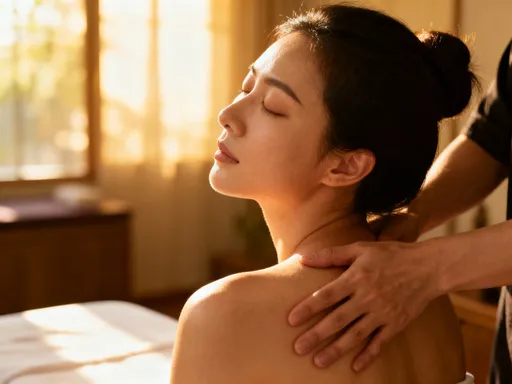
Massage therapy sessions usually last 60 to 90 minutes and are conducted in a quiet, warm room. The client undresses to their comfort level and lies under a sheet, with only the area being worked on exposed. The therapist uses oil or lotion and applies pressure based on the chosen technique—ranging from light and soothing to deeper and more focused. Communication is key; clients are encouraged to speak up if pressure feels too intense. Afterward, many feel relaxed yet energized, with improved mobility and reduced tension.
It’s normal to feel some soreness after a deep tissue massage or mild fatigue after acupuncture, especially in the first few sessions. These effects typically pass within a day. Frequency depends on individual needs—some may start with weekly sessions to address acute issues, then reduce to monthly visits for maintenance. It’s important to seek care from licensed professionals who follow hygiene and safety standards. In the U.S., acupuncturists are required to be certified by the National Certification Commission for Acupuncture and Oriental Medicine (NCCAOM), and massage therapists must be licensed by their state.
Before beginning, individuals with chronic conditions—such as diabetes, heart disease, or pregnancy—should consult their doctor. While both therapies are generally safe, professional guidance ensures they are used appropriately. Realistic expectations are also crucial. These are not quick fixes; benefits build over time with consistency. The goal is not perfection, but progress—small, sustainable improvements that add up to meaningful change.
Building a Sustainable Routine That Works Long-Term
Integrating acupuncture and massage into daily life doesn’t require dramatic changes or excessive spending. The key is sustainability—creating a routine that fits within real-world constraints. For many, this means starting small. A monthly massage or seasonal acupuncture series can be enough to maintain balance, especially when combined with other healthy habits. Others may benefit from more frequent sessions during periods of high stress or physical demand, then scaling back as symptoms improve.
One practical approach is to treat these therapies as preventive care, much like regular dental checkups or car maintenance. Just as we service machines to prevent breakdowns, we can support our bodies with routine care to avoid larger issues. Some employers now offer wellness benefits that include massage or acupuncture, making access easier. Community clinics and training schools often provide lower-cost options for those on a budget. Planning sessions around natural rhythms—such as the start of a new season or after a busy work period—can also help maintain consistency.
Equally important is pairing professional care with at-home practices. Simple habits like stretching, mindful breathing, or using a foam roller can extend the benefits of treatment. Staying hydrated and getting quality sleep further support recovery. The goal is not to achieve a perfect routine, but to build awareness and responsiveness—learning to adjust based on how the body feels. Over time, this creates a more intuitive relationship with health, where care is not reactive but ongoing.
Ultimately, lasting change comes not from intensity, but from consistency. A single session may bring relief, but regular engagement helps retrain the body’s responses to stress and strain. It fosters resilience, improves function, and deepens self-awareness. When approached with patience and intention, acupuncture and massage become more than treatments—they become part of a lifelong commitment to well-being.
Acupuncture and massage aren’t magic—they’re tools that, when used wisely, reshape how we engage with our health. By listening deeper and acting earlier, we don’t just recover better; we live more consciously.