What I Learned About Eating for Longevity — Simple Changes, Real Results
Aging is inevitable, but how we age isn’t entirely out of our hands. I started wondering if what I ate could actually slow down the clock. After digging into science-backed strategies and making small but powerful dietary changes, I noticed real differences — more energy, clearer skin, better sleep. It wasn’t about extreme diets or miracle foods. This is a practical look at how dietary choices can support healthier aging, based on what actually works, not hype.
The Aging Puzzle: Why Diet Matters More Than You Think
At its core, aging is a biological process influenced heavily by how we nourish our bodies. While time moves forward regardless, the rate at which our cells deteriorate can be shaped by nutrition. Every bite we take sends signals to our cells — either supporting repair and resilience or accelerating wear and decline. Research shows that up to 30% of age-related changes may be modifiable through lifestyle, with diet playing a leading role. This doesn’t mean erasing wrinkles overnight, but rather protecting internal systems like the heart, brain, and immune function from premature decline.
Many people associate aging with visible changes — gray hair, fine lines, slower movement — but the deeper story unfolds at the cellular level. Over time, cells accumulate damage from oxidative stress, a process similar to how metal rusts when exposed to oxygen. In the body, this “rusting” happens when free radicals, unstable molecules produced naturally during metabolism, overwhelm the body’s ability to neutralize them. When unchecked, this imbalance damages DNA, proteins, and cell membranes. Chronic inflammation, often silent and long-term, compounds the issue, contributing to conditions like arthritis, heart disease, and cognitive decline.
This is where the concept of nutritional longevity comes in. Unlike trendy anti-aging solutions that promise instant results with expensive creams or restrictive cleanses, nutritional longevity focuses on long-term, sustainable eating patterns that support cellular health. It’s not about looking younger, but about staying healthier longer. Diets rich in antioxidants, healthy fats, and fiber have been consistently linked to longer telomeres — the protective caps on the ends of chromosomes that shorten with age. Longer telomeres are associated with slower cellular aging and reduced risk of chronic disease.
What sets this approach apart is its foundation in science, not marketing. Studies like the Nurses’ Health Study and the Health Professionals Follow-Up Study, which have tracked hundreds of thousands of individuals for decades, show that those who follow balanced, plant-forward diets tend to live longer and experience fewer age-related illnesses. The key isn’t perfection, but consistency. By understanding that food is more than fuel — it’s information for our genes — we begin to see how everyday choices shape our biological trajectory.
Cutting Out the Culprits: What to Reduce or Avoid
Just as certain foods support longevity, others actively work against it. Refined sugars, processed foods, and excess alcohol are among the most significant dietary contributors to accelerated aging. These aren’t just empty calories; they trigger biological processes that wear down the body over time. For example, when we consume high amounts of added sugar, it binds to proteins in a process called glycation, forming harmful compounds known as AGEs (advanced glycation end products). These AGEs damage collagen and elastin in the skin, leading to sagging and wrinkles, but their impact isn’t just cosmetic — they also stiffen blood vessels and impair organ function.
Processed foods, particularly those high in refined carbohydrates and unhealthy fats, fuel chronic inflammation. Many packaged snacks, baked goods, and frozen meals contain trans fats or high levels of omega-6 fatty acids, which, when consumed in excess, disrupt the body’s natural inflammatory balance. This low-grade, persistent inflammation is now recognized as a key driver of many age-related diseases, including type 2 diabetes, Alzheimer’s, and certain cancers. Even seemingly harmless habits, like drinking a sugary soda daily or relying on processed convenience meals, can quietly erode long-term health.
Alcohol, while often enjoyed in moderation, also plays a complex role in aging. In small amounts, some studies suggest red wine may offer benefits due to its polyphenol content, particularly resveratrol. However, regular or heavy drinking increases oxidative stress, damages the liver, and disrupts sleep — a critical pillar of recovery and cellular repair. The liver, responsible for filtering toxins and metabolizing nutrients, becomes overburdened, reducing its ability to support detoxification and hormone balance.
The good news is that reducing these aging accelerators doesn’t require drastic elimination. A sustainable approach focuses on gradual shifts. Instead of cutting out sugar entirely, one might start by swapping sweetened beverages for sparkling water with lemon or reducing portion sizes of desserts. Choosing whole-grain versions of bread and pasta over refined options can lower the glycemic load, minimizing blood sugar spikes. Cooking more meals at home increases control over ingredients, making it easier to avoid hidden sugars and unhealthy fats. The goal isn’t deprivation, but awareness — recognizing which foods serve the body and which do not.
Power Foods That Fight Time: What to Add
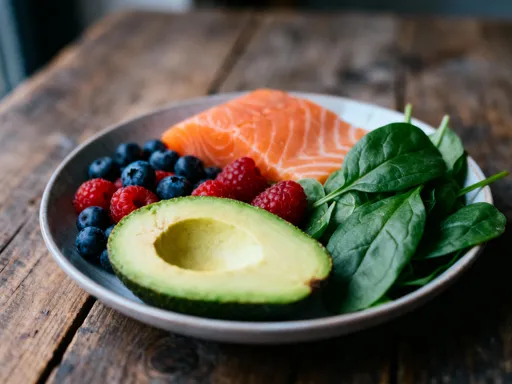
While removing harmful elements is important, what we add to our diet matters just as much. Certain foods stand out for their powerful ability to support longevity, backed by decades of research. Leafy greens like spinach, kale, and Swiss chard are rich in vitamins K, C, and folate, as well as antioxidants like lutein and beta-carotene. These compounds protect cells from oxidative damage and support brain health. Berries — especially blueberries, strawberries, and blackberries — are packed with polyphenols, plant-based chemicals that reduce inflammation and improve blood vessel function. Studies have linked regular berry consumption to better memory and slower cognitive decline.
Nuts, particularly walnuts and almonds, offer a combination of healthy fats, fiber, and vitamin E, a fat-soluble antioxidant that protects cell membranes. Research shows that people who eat a handful of nuts several times a week have a lower risk of heart disease and may live longer. Fatty fish like salmon, mackerel, and sardines are excellent sources of omega-3 fatty acids, which are essential for reducing inflammation and supporting brain and heart health. These fats help maintain the fluidity of cell membranes and are involved in regulating mood and cognitive function.
Olive oil, especially extra virgin, is a cornerstone of the Mediterranean diet and a key player in longevity nutrition. It contains oleocanthal, a compound with natural anti-inflammatory properties similar to ibuprofen, as well as monounsaturated fats that support healthy cholesterol levels. Unlike refined oils, it retains its beneficial compounds because it’s minimally processed. Using olive oil as the primary fat for cooking and dressings can make a meaningful difference over time.
Incorporating these foods doesn’t require a complete diet overhaul. Simple swaps can make a big impact — adding spinach to morning smoothies, topping oatmeal with berries, snacking on a small handful of nuts, or preparing salmon twice a week. The focus should be on variety and consistency. No single food is a magic bullet, but together, these nutrient-dense choices create a protective shield for the body. Over time, this pattern of eating becomes less about restriction and more about nourishment — a daily act of care that pays dividends in energy, resilience, and well-being.
Time-Restricted Eating: The Rhythm Behind Longevity
Beyond *what* we eat, *when* we eat also plays a crucial role in aging. Time-restricted eating, a form of intermittent fasting, has gained attention for its potential to support cellular repair and metabolic health. The idea is simple: confine daily food intake to a consistent window, typically 10–12 hours, followed by a 12–14 hour fasting period. For example, finishing dinner by 7 p.m. and not eating again until 9 a.m. the next morning creates a 14-hour fast. This approach aligns with the body’s natural circadian rhythm, which regulates digestion, hormone release, and cellular repair.
One of the key benefits of this eating pattern is its ability to support autophagy — a cellular “cleanup” process where the body removes damaged components and recycles them for energy. Think of it as a nightly reset for your cells. During fasting periods, insulin levels drop, signaling the body to shift from storing energy to burning fat and repairing tissues. This metabolic switch is believed to slow aging and reduce the risk of chronic diseases. Animal studies have shown that time-restricted eating can extend lifespan and improve markers of health, and early human trials suggest similar benefits, including better blood sugar control and reduced inflammation.
For many women, especially those in their 30s to 50s balancing family, work, and personal time, the idea of fasting can feel intimidating. But this isn’t about skipping meals or extreme restriction. It’s about creating a natural rhythm. Most people already fast overnight — the goal is simply to extend that period slightly and avoid late-night snacking, which disrupts digestion and sleep. A practical schedule might involve breakfast at 8 a.m., lunch at 1 p.m., and dinner at 6:30 p.m., with no food after. Herbal teas or water are allowed during the fasting window, helping with hydration and satiety.
Common concerns include hunger, low energy, or difficulty managing social meals. The key is gradual adaptation. Starting with a 12-hour fast (e.g., 7 p.m. to 7 a.m.) and slowly extending it over weeks allows the body to adjust. Listening to hunger cues and ensuring meals are balanced with protein, fiber, and healthy fats helps maintain energy. If a dinner invitation runs late, it’s okay to adjust — flexibility is part of sustainability. The goal isn’t rigid rules, but a rhythm that supports long-term health without adding stress.
Hydration and Skin Health: The Overlooked Anti-Aging Tool
Water is often overlooked in conversations about aging, yet it’s one of the most fundamental elements of health. Chronic, mild dehydration — which many people experience without realizing it — can accelerate visible signs of aging and impair internal function. The skin, our largest organ, relies on adequate hydration to maintain elasticity and barrier function. When dehydrated, it appears dull, dry, and more prone to fine lines. Internally, water supports digestion, nutrient absorption, circulation, and temperature regulation — all critical for sustained energy and cellular health.
As we age, the body’s thirst mechanism becomes less sensitive, making it easier to go hours without drinking enough. Additionally, factors like caffeine, alcohol, and certain medications can increase fluid loss. Over time, even slight dehydration can slow metabolism and contribute to fatigue, headaches, and constipation. Proper hydration, on the other hand, supports collagen production — the protein responsible for skin firmness — and helps flush out metabolic waste, reducing the burden on the liver and kidneys.
While the “eight glasses a day” rule is a helpful guideline, individual needs vary based on activity level, climate, and body size. A more personalized approach is to monitor urine color — pale yellow indicates good hydration, while dark yellow suggests the need for more fluids. Including water-rich foods like cucumbers, watermelon, oranges, and tomatoes can also contribute to daily intake. Herbal teas, broths, and infused waters are excellent alternatives for those who find plain water unappealing.
It’s important to dispel myths about extreme hydration or detox regimens. The body is naturally equipped to detoxify when supported by a healthy diet and adequate water. There’s no need for juice cleanses or lemon water fasts — these can lack essential nutrients and disrupt blood sugar. Instead, consistent, moderate hydration throughout the day is far more effective. Keeping a reusable water bottle nearby, setting reminders, or drinking a glass of water with each meal are simple strategies to build this habit. Over time, better hydration leads to improved skin tone, mental clarity, and digestive regularity — subtle but meaningful signs of a body functioning well.
The Science of Slowing Down: How Small Changes Add Up
Longevity isn’t achieved through one dramatic change, but through the accumulation of small, consistent habits. Research consistently shows that dietary patterns — not individual foods — have the greatest impact on aging. The Mediterranean diet, for example, has been studied for decades and is associated with a 20–30% lower risk of heart disease, stroke, and cognitive decline. It emphasizes whole grains, vegetables, fruits, legumes, nuts, olive oil, and fish, with moderate dairy and limited red meat — a pattern that naturally supports anti-inflammatory and antioxidant processes.
What makes this approach powerful is its sustainability. Unlike fad diets that promise quick fixes but are hard to maintain, the Mediterranean pattern is flexible, flavorful, and culturally rich. Studies tracking participants over 10–20 years show that even modest adherence — eating more vegetables, using olive oil, reducing processed foods — leads to measurable improvements in blood pressure, cholesterol, insulin sensitivity, and inflammatory markers. These changes may not be immediately visible, but they reflect a body aging more slowly at the biological level.
Think of it like compound interest for your cells. Just as small, regular deposits grow into significant savings over time, daily food choices build a foundation of health that becomes more apparent with age. Skipping dessert once a week, adding an extra serving of vegetables, or choosing water over soda may seem minor, but over months and years, they shape metabolic health, energy levels, and disease risk. The focus isn’t on perfection, but on progress — doing a little better, more often.
This long-term perspective also helps shift mindset from short-term results to lasting well-being. Weight, energy, and skin changes may come gradually, but they are more likely to be sustainable when rooted in consistent habits. Tracking non-scale victories — like better sleep, improved digestion, or stable mood — can reinforce motivation. The goal is not to look 20 again, but to feel strong, capable, and vibrant at every stage of life.
Making It Last: Building Sustainable Habits Without Burnout
Knowledge is powerful, but without sustainable habits, it’s easy to fall back into old patterns. The key to lasting change is designing a routine that fits real life — not a rigid ideal. A flexible framework works better than strict rules. For example, aiming to eat vegetables at two meals a day is more achievable than demanding a perfect diet every day. Allowing room for occasional treats without guilt supports balance and prevents the cycle of restriction and overeating.
Mindset plays a crucial role. Shifting from “I have to” to “I get to” can transform the experience of healthy eating. Viewing food as a way to care for the body, rather than a source of restriction, fosters a positive relationship with nourishment. Practicing self-compassion when setbacks occur — such as overeating at a party or skipping a healthy meal — prevents discouragement and supports long-term success. Progress is rarely linear, and every day is a new opportunity to make a supportive choice.
Simple tracking methods can help maintain awareness without obsession. Keeping a brief journal of energy levels, sleep quality, or digestion can reveal patterns and reinforce motivation. Apps or habit trackers can be useful, but even mental notes work. Celebrating small wins — like choosing a salad over fries or drinking water instead of soda — builds confidence and momentum.
Finally, it’s important to recognize that individual needs vary. What works for one person may not work for another. Consulting with a healthcare provider or registered dietitian before making significant changes ensures that dietary shifts are safe and appropriate, especially for those with medical conditions or taking medications. Health is personal, and professional guidance adds a layer of safety and personalization. By combining science-backed strategies with self-awareness and compassion, women can build a way of eating that supports not just longer life, but better life — one mindful bite at a time.
Aging gracefully isn’t about chasing youth, but about supporting your body with what it truly needs. The most effective strategies aren’t extreme — they’re simple, science-backed, and sustainable. By making mindful food choices, you’re not just eating to live, but living better through what you eat.