This Is How I Finally Got My Oral Health on Track – And Why It Changed Everything
You brush every day, right? So why do so many of us still struggle with bad breath, sensitive teeth, or endless dental bills? I was stuck in that cycle for years—until I realized oral health isn’t just about brushing harder. It’s about working smarter. What I discovered transformed not just my smile, but my overall well-being. This is how I optimized my oral health with real, doable changes that actually stick. It wasn’t a single breakthrough, but a shift in mindset—from reacting to problems to preventing them. And the best part? These changes fit into real life, without demanding perfection or expensive gadgets.
The Hidden Problem Behind “Good” Oral Habits
For years, I believed I was doing everything right. Brushing twice a day, flossing when I remembered, and avoiding too many sweets. Yet, I still had persistent bad breath, occasional gum bleeding, and recurring sensitivity. My dentist would say, “You’re doing well,” but then recommend another cleaning or filling. It wasn’t until I started researching beyond the standard advice that I understood the flaw in my thinking: I was treating oral care like a surface-level chore, not a biological system that needed balance.
Modern dentistry often focuses on mechanical removal—brushing and flossing to scrape away plaque. But that’s only part of the story. The mouth is a living ecosystem, home to billions of bacteria, both helpful and harmful. When this ecosystem is out of balance, even diligent brushing won’t prevent issues like gum inflammation or enamel erosion. Factors like saliva production, oral pH, and the diversity of microbial life play a huge role in whether your mouth stays healthy or becomes a breeding ground for problems.
Saliva, for instance, is more than just spit. It contains enzymes that break down food, minerals that help repair enamel, and antibacterial compounds that keep harmful microbes in check. When saliva flow is low—due to dehydration, medications, or mouth breathing—the mouth becomes more acidic, and harmful bacteria thrive. Similarly, frequent snacking or sipping on acidic drinks keeps the oral environment in a constant state of acidity, which weakens enamel over time. I realized that my “good” habits weren’t addressing these deeper imbalances.
The shift began when I stopped asking, “Am I brushing enough?” and started asking, “Is my mouth environment supporting health?” This subtle change in perspective opened the door to more effective strategies. Instead of just cleaning, I began to nurture. I focused on supporting saliva flow, stabilizing pH, and encouraging a resilient microbial community. These changes didn’t require drastic measures, but they made a noticeable difference within weeks.
Why Oral Health Is Tied to Your Whole Body
One of the most eye-opening discoveries was learning how deeply connected oral health is to overall wellness. It’s not just about teeth and gums—your mouth is a gateway to your entire body. Chronic gum inflammation, known as periodontitis, has been linked to a range of systemic conditions, including heart disease, diabetes, and even cognitive decline. Research shows that the same inflammatory markers found in gum disease can appear in blood vessels and other organs, suggesting that oral health may influence long-term health outcomes.
The connection works in both directions. For example, people with diabetes are more prone to gum disease because high blood sugar levels impair the body’s ability to fight infection. At the same time, severe gum disease can make blood sugar harder to control, creating a dangerous cycle. Similarly, studies have found that individuals with chronic periodontitis have a higher risk of developing cardiovascular issues, possibly because bacteria from the mouth can enter the bloodstream and contribute to arterial inflammation.
What’s even more striking is that dentists are sometimes the first to notice signs of systemic health problems. Changes in gum color, texture, or bleeding patterns can signal nutritional deficiencies, hormonal imbalances, or autoimmune conditions. Persistent dry mouth might indicate an underlying medical issue or medication side effect. Because the mouth is so accessible and visible, it offers a unique window into the body’s internal state.
This realization changed how I viewed my daily routine. Brushing and flossing weren’t just about avoiding cavities—they were part of a broader commitment to health. Every time I cleaned my teeth, I was also supporting my heart, my metabolism, and my long-term vitality. It wasn’t an exaggeration to say that oral care was preventive medicine. And unlike many health interventions, it was completely within my control.
The 3 Daily Habits That Made the Biggest Difference
After understanding the bigger picture, I looked for simple, evidence-based changes that could make a real impact. Three habits stood out—not because they were flashy, but because they addressed core biological functions. These weren’t trendy hacks, but foundational practices supported by dental science.
The first was proper tongue cleaning. Most people brush their teeth but ignore the tongue, which can harbor a significant amount of bacteria and food debris. A coated tongue isn’t just linked to bad breath—it can also contribute to an imbalanced oral microbiome. I started using a tongue scraper every morning, gently removing the buildup from the back of the tongue. Within days, my breath improved, and I noticed less morning dryness. The key was consistency and technique: scraping from back to front, rinsing the tool frequently, and avoiding aggressive pressure that could irritate the tissue.
The second habit was timing my brushing correctly. I used to brush right after breakfast, especially if I’d had coffee or toast. But I learned that acidic foods and drinks temporarily soften enamel, and brushing too soon can actually wear it down. Now, I wait at least 30 minutes after eating before brushing, allowing saliva to neutralize acids and reharden the enamel. If I can’t wait, I rinse with water or chew sugar-free gum to stimulate saliva flow. This small delay made a noticeable difference in my tooth sensitivity.
The third habit was using fluoride effectively. Fluoride is one of the most researched and proven tools for preventing cavities, but many people either avoid it completely or overuse it. I found a balanced approach: using a pea-sized amount of fluoride toothpaste, spitting without rinsing after brushing, and avoiding eating or drinking for at least 30 minutes afterward. This allows the fluoride to remain on the teeth longer, enhancing its protective effect. I also made sure my toothpaste wasn’t overly abrasive, which can wear down enamel over time.
These three habits didn’t take much extra time, but they addressed key biological processes—microbial balance, enamel protection, and acid neutralization. They weren’t about doing more, but about doing the right things at the right time.
What I Learned About Mouthwash—And Why I Stopped Using Most
For years, I used alcohol-based mouthwash as a finishing touch, believing it killed germs and kept my breath fresh. But over time, I noticed my mouth felt drier, and my breath issues seemed to come back faster. I started looking into the science and discovered a troubling pattern: many commercial mouthwashes disrupt the oral microbiome by killing both harmful and beneficial bacteria. Worse, alcohol can dry out oral tissues, reducing saliva flow and creating an environment where odor-causing bacteria thrive.
Chronic dry mouth isn’t just uncomfortable—it’s a risk factor for cavities and gum disease. Saliva is essential for washing away food particles, neutralizing acids, and supporting healthy tissue. When mouthwash dries out the mouth, it undermines these natural defenses. I realized I was using a product that provided short-term freshness at the cost of long-term health.
I began exploring alternatives. One option was mouthwashes containing xylitol, a natural sweetener that inhibits the growth of cavity-causing bacteria without harming the microbiome. Another was pH-balancing rinses, which help restore the mouth’s natural alkalinity after meals. Some people also use diluted hydrogen peroxide or baking soda rinses, though these should be used cautiously to avoid tissue irritation.
I now use an alcohol-free, xylitol-based rinse only when needed—such as after a heavy meal or if I can’t brush. On most days, I skip mouthwash altogether and rely on water, proper brushing, and saliva stimulation. This approach supports my mouth’s natural balance rather than disrupting it. The result? Fresher breath that lasts longer, without the dry, tight feeling I used to get.
Diet’s Role in Strong Teeth and Healthy Gums
No discussion of oral health is complete without addressing diet. While most people know sugar feeds cavity-causing bacteria, fewer realize how other dietary factors influence oral health. I was surprised to learn that even sugar-free processed foods can contribute to dental problems, especially if they’re high in refined carbohydrates or acidic ingredients.
Starchy foods like white bread, crackers, and pasta break down into simple sugars in the mouth, feeding harmful bacteria just like candy does. Similarly, acidic beverages—such as citrus juices, sports drinks, and even some flavored waters—can erode enamel over time, especially when consumed frequently throughout the day. I started paying attention to not just what I ate, but how often I ate. Constant snacking keeps the mouth in an acidic state, leaving little time for saliva to repair and rebalance.
On the flip side, certain nutrients play a powerful role in building strong teeth and resilient gums. Fat-soluble vitamins—especially A, D, and K2—are essential for proper mineralization of teeth and bone. Vitamin A supports mucosal health, helping gums stay strong and resistant to infection. Vitamin D aids in calcium absorption, while K2 directs calcium to the right places, like teeth and bones, rather than allowing it to deposit in soft tissues.
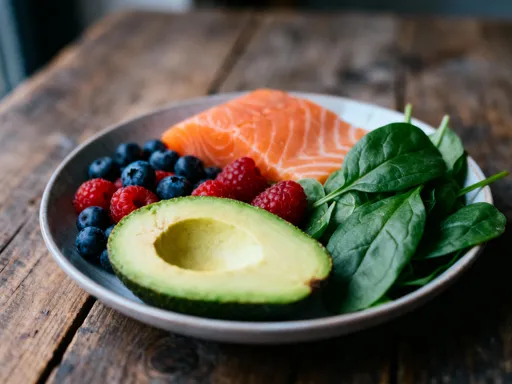
I began incorporating more nutrient-dense foods into my diet: leafy greens, eggs, fatty fish, grass-fed dairy, and fermented foods like sauerkraut. These foods not only provide essential vitamins but also support a healthy gut and oral microbiome. I also reduced my intake of processed snacks and switched to water or herbal tea between meals. These changes didn’t feel restrictive—they made me feel more energized and less prone to cravings.
One of the most satisfying shifts was seeing how my teeth felt. They became less sensitive, and my dentist noted less plaque buildup during cleanings. It was clear that what I ate wasn’t just affecting my waistline—it was shaping my oral health from the inside out.
Choosing the Right Tools—Without Falling for Hype
The oral care market is full of products promising perfect teeth with minimal effort. Electric toothbrushes, water flossers, charcoal powders, oil pulling kits—the list goes on. I tried several, hoping for a quick fix. Some helped, but others were overpriced or unnecessary. I learned to separate evidence-based tools from marketing gimmicks.
Electric toothbrushes, for example, can be beneficial, especially for people with limited dexterity or those who tend to brush too hard. Studies show they’re slightly more effective at removing plaque than manual brushes, particularly oscillating or sonic models. But the key is technique: even the best brush won’t help if you’re not covering all surfaces or brushing for the full two minutes. I chose a model with a pressure sensor and timer, which helped me develop better habits.
Water flossers are another popular tool. They can be especially helpful for people with braces, implants, or tight spaces between teeth. Research supports their effectiveness in reducing gum inflammation, but they shouldn’t replace traditional flossing entirely. I use mine occasionally, but still rely on string floss for daily cleaning. The important thing is to use tools as supplements, not substitutes.
As for oil pulling and charcoal products, the evidence is limited. Oil pulling—swishing coconut or sesame oil in the mouth—has anecdotal support for reducing bacteria and whitening teeth, but clinical studies are inconclusive. Charcoal powders can be abrasive and may damage enamel over time. I decided to skip these and stick with proven methods.
The lesson was clear: tools are only as good as the habits behind them. A simple manual toothbrush used correctly is more effective than a high-tech device used poorly. I now focus on choosing tools that support consistency—like a comfortable brush, soft floss, and a small mirror to check hard-to-see areas.
Building an Oral Care Routine That Actually Sticks
After experimenting with different strategies, I realized that long-term success wasn’t about perfection—it was about sustainability. The most effective routine is the one you can maintain, even on busy or tired days. I built mine around simplicity, habit stacking, and small wins.
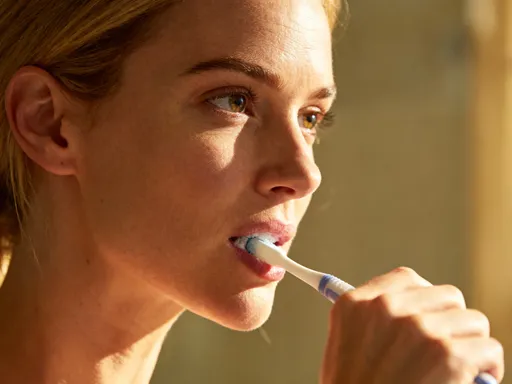
I started by anchoring my routine to existing habits. I brush right after washing my face in the morning and before getting into bed at night. I keep my toothbrush and floss in a visible spot, making it easy to remember. I also use a small timer or a two-minute song to ensure I brush long enough without rushing.
Instead of aiming for flawless execution every day, I focus on consistency. If I miss flossing one night, I don’t give up—I just do it the next day. I also track progress in small ways: noticing fresher breath, fewer sensitivity issues, or positive comments from my dentist. These little wins reinforce the habit and make it feel worthwhile.
I’ve also learned to be patient. Oral health improvements don’t happen overnight. It took weeks to notice changes in my gum health and months to see a real difference in my overall well-being. But the cumulative effect has been profound. I no longer dread dental visits. I feel confident smiling, eating, and speaking without self-consciousness.
This journey wasn’t about achieving a perfect Hollywood smile. It was about reclaiming control over my health in a way that felt manageable and meaningful. By focusing on science, simplicity, and sustainability, I built a routine that fits my life—not the other way around.
Optimizing oral health isn’t about drastic overhauls or miracle cures—it’s about making smarter, science-backed choices every day. What changed for me wasn’t one big fix, but a series of small, consistent upgrades. When you treat your mouth as part of your whole-body system, the benefits go far beyond a brighter smile. It’s a quiet kind of power: feeling confident, healthy, and in control—every time you bite into an apple or laugh without covering your mouth. This isn’t just dental care. It’s self-care, redefined.