You Won’t Believe How Simple Staying Younger Can Be
Aging is inevitable, but how we age is largely within our control. Science now shows that daily habits—not expensive treatments—play the biggest role in slowing aging and improving long-term health. From better sleep to smarter eating, small consistent changes add up. This article dives deep into realistic, research-backed ways anyone can boost vitality, feel stronger, and look younger over time—all without shortcuts or hype. The journey to lasting health isn’t found in miracle creams or extreme diets, but in the quiet, powerful choices made every day. What if the secret to aging well wasn’t hidden in a lab, but already within your reach?
The Truth About Aging: It’s Not Just Wrinkles
Aging is often associated with visible signs like gray hair, fine lines, or slower movements. But beneath the surface, aging is a complex biological process affecting every system in the body. It influences energy levels, immune function, cognitive sharpness, and organ performance. At the cellular level, two key mechanisms drive aging: telomere shortening and oxidative stress. Telomeres are protective caps at the ends of chromosomes that shorten each time a cell divides. When they become too short, cells can no longer replicate effectively, leading to tissue deterioration. Oxidative stress occurs when free radicals—unstable molecules produced during normal metabolism—damage cells faster than the body can repair them. This imbalance accelerates aging and increases the risk of chronic diseases.
While genetics play a role, lifestyle choices significantly influence how quickly these processes unfold. Research from the National Institute on Aging confirms that biological age—the functional state of the body—can differ dramatically from chronological age. Some 60-year-olds have the energy and resilience of much younger individuals, while others experience age-related decline decades earlier. This divergence underscores a crucial truth: aging is not merely a number, but a reflection of how well the body has been maintained. The goal, then, should not be to erase wrinkles, but to preserve function—mobility, mental clarity, immune strength, and metabolic balance.
Many people assume that age-related decline begins in their 50s or 60s, but evidence suggests otherwise. Studies show that muscle mass starts decreasing as early as age 30, with a loss of 3% to 5% per decade. Bone density, cardiovascular efficiency, and insulin sensitivity also begin to decline well before midlife. The earlier healthy habits are adopted, the more effectively these changes can be slowed. This doesn’t mean drastic measures are necessary. Simple, consistent behaviors—like walking daily, eating more vegetables, or prioritizing sleep—can delay or even reverse many markers of aging. The key is understanding that aging is not a passive process, but one shaped by daily choices.
By shifting the focus from appearance to function, individuals gain a more meaningful and sustainable approach to longevity. Feeling strong enough to play with grandchildren, maintaining independence in later years, or avoiding chronic illness are far more impactful goals than looking youthful in photos. When health is prioritized over aesthetics, the benefits extend beyond the individual to families and communities. A longer, healthier life means more time spent doing what matters most. The science is clear: aging well is not about stopping time, but about making time count.
Why Most Anti-Aging Hacks Fail (And What Actually Works)
The market for anti-aging products is vast, with billions spent annually on creams, supplements, and high-tech devices promising to turn back the clock. Yet, despite the allure of quick fixes, most of these solutions lack scientific support. Many anti-aging creams, for example, contain ingredients that cannot penetrate deeply enough to affect underlying skin structure. Similarly, trendy supplements often make bold claims without clinical trials to back them. A 2021 review published in the journal Ageing Research Reviews found that only a small fraction of commercially available anti-aging products have been rigorously tested, and even fewer demonstrate measurable biological effects.
The problem with chasing shortcuts is that they distract from what truly matters: foundational health habits. Unlike flashy gadgets or expensive serums, basic lifestyle factors—consistent sleep, balanced nutrition, regular physical activity, and stress management—have been repeatedly proven to slow biological aging. These behaviors don’t promise overnight results, but their long-term impact is undeniable. For instance, a landmark study from the University of California, San Francisco, showed that men who improved their diet, exercised regularly, managed stress, and maintained strong social connections experienced lengthened telomeres over five years—indicating a reversal in one key marker of cellular aging.
Another reason many anti-aging strategies fail is their lack of sustainability. Extreme diets, for example, may lead to short-term weight loss but are rarely maintainable. Similarly, intense workout regimens can lead to burnout or injury if not adapted to individual capabilities. The most effective approaches are those that can be integrated into daily life without disruption. Walking for 30 minutes a day, drinking more water, or reducing processed sugar intake are simple changes that, when sustained, yield significant benefits. The goal is not perfection, but consistency.
What actually works is not novelty, but repetition. The habits that support longevity are often the same ones recommended for overall health: getting seven to nine hours of quality sleep, eating whole foods, staying physically active, and nurturing mental well-being. These behaviors are not glamorous, but they are powerful. They work because they align with the body’s natural rhythms and repair processes. Instead of seeking magic solutions, individuals are better served by building a lifestyle that supports cellular health, hormonal balance, and metabolic efficiency. The message is clear: lasting youth is not bought, but built—one healthy choice at a time.
Your Cells Are Listening: How Lifestyle Shapes Your Biology
Every decision made throughout the day sends signals to the body’s trillions of cells. What you eat, how you move, how you manage stress, and even how you sleep—all of these influence gene expression through a field of science known as epigenetics. Unlike genetic mutations, which change the DNA sequence itself, epigenetic changes affect how genes are turned on or off without altering the underlying code. This means that while individuals inherit their DNA, they are not entirely bound by it. Lifestyle choices can activate protective genes related to repair and resilience or trigger harmful ones linked to inflammation and disease.
Chronic stress, poor diet, and physical inactivity are among the most damaging influences on epigenetic health. Elevated cortisol levels, for example, can suppress immune function and increase fat storage, particularly around the abdomen. Diets high in refined sugars and unhealthy fats promote inflammation, which accelerates cellular aging. In contrast, positive habits like regular exercise, mindfulness practices, and nutrient-rich eating can activate genes that enhance DNA repair, reduce oxidative stress, and improve metabolic function. A study published in Nature Communications demonstrated that individuals who followed a healthy lifestyle had epigenetic profiles associated with younger biological ages, even after accounting for genetics.
Real-life examples illustrate the power of lifestyle to reshape biology. One well-documented case involved a group of men with early-stage prostate cancer who adopted comprehensive lifestyle changes, including a plant-based diet, moderate exercise, stress reduction techniques, and social support. After five years, their telomeres were significantly longer compared to a control group, and their gene expression patterns showed increased activity in tumor suppressor genes. While this study focused on a specific condition, its implications extend to aging in general: the body has a remarkable capacity to heal and renew when given the right conditions.
The takeaway is empowering: individuals are not passive victims of their genetic blueprint. By making mindful choices, they can influence how their genes behave. This doesn’t mean ignoring family history or medical conditions, but rather recognizing that personal actions matter. Choosing whole foods over processed ones, taking walks instead of sitting for hours, or practicing deep breathing during stressful moments—all of these send beneficial signals to cells. Over time, these signals accumulate, shaping health in profound ways. The body is constantly listening. The question is: what are you telling it?
The Power of Movement: Not Just Exercise, But Motion
Physical activity is one of the most potent tools for slowing aging. It preserves muscle mass, supports heart health, enhances brain function, and improves mood. Yet, many people associate exercise with intense gym sessions or structured workouts, which can feel intimidating or unsustainable. The truth is, movement in any form counts. The key is consistency, not intensity. Simple activities like walking, climbing stairs, gardening, or standing regularly throughout the day contribute to long-term vitality. The World Health Organization recommends at least 150 minutes of moderate-intensity aerobic activity per week, but even small increases in daily motion can make a difference.
One of the most critical aspects of movement is its role in combating sarcopenia—the age-related loss of muscle mass and strength. After age 30, adults lose approximately 3% to 5% of muscle mass per decade, and this accelerates after 60. Muscle is not just important for strength; it plays a vital role in metabolism, balance, and insulin sensitivity. Losing muscle increases the risk of falls, frailty, and chronic conditions like type 2 diabetes. Resistance training—such as lifting weights, using resistance bands, or doing bodyweight exercises like squats and push-ups—is the most effective way to preserve and build muscle. Studies show that even older adults who start strength training later in life can regain significant muscle mass and improve functional independence.
Cardiovascular exercise is equally important. Activities like brisk walking, cycling, or swimming improve heart and lung function, lower blood pressure, and enhance circulation. These benefits translate into better energy levels and reduced risk of heart disease, the leading cause of death worldwide. Flexibility and balance exercises—such as yoga or tai chi—also play a crucial role, especially as people age. They help maintain joint mobility, prevent injuries, and support coordination. A well-rounded routine includes elements of strength, cardio, and flexibility, tailored to individual ability and preference.
The challenge for many is finding time or motivation. The solution lies in integrating movement into daily life. Taking the stairs instead of the elevator, parking farther from the store, doing household chores with energy, or walking during phone calls are all practical ways to increase activity. The goal is not to transform into an athlete, but to stay active. Even short bursts of movement—such as five-minute stretches every few hours—can counteract the harmful effects of prolonged sitting. When movement becomes a natural part of life, its anti-aging benefits accumulate silently but powerfully over time.
Food as Longevity Fuel: What to Eat, What to Skip
Diet is a cornerstone of healthy aging. What people eat directly affects energy levels, inflammation, gut health, and cellular function. Research consistently shows that diets rich in whole, plant-based foods are associated with longer health spans—the period of life spent free from chronic disease. The Mediterranean diet, for example, which emphasizes vegetables, fruits, legumes, whole grains, nuts, olive oil, and lean proteins like fish and poultry, has been linked to reduced risks of heart disease, cognitive decline, and certain cancers. Its benefits stem not from any single “superfood,” but from the synergistic effects of nutrient-dense, minimally processed ingredients.
On the other hand, processed foods, refined carbohydrates, and added sugars accelerate aging. These foods trigger spikes in blood sugar and insulin, promote inflammation, and contribute to fat accumulation, particularly visceral fat around the organs. Chronic inflammation is a key driver of aging, damaging tissues and increasing the risk of conditions like arthritis, diabetes, and Alzheimer’s disease. Sugary beverages, in particular, have been shown to shorten telomeres, effectively aging cells faster. A study published in the American Journal of Public Health found that regular consumption of sugar-sweetened drinks was associated with biologically older cells, independent of other lifestyle factors.
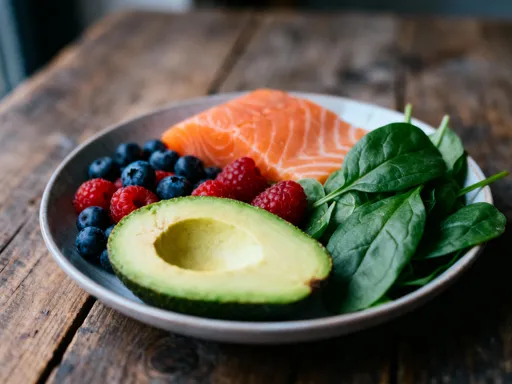
Building an anti-aging plate doesn’t require strict diets or deprivation. It starts with simple shifts: filling half the plate with colorful vegetables and fruits, choosing whole grains over refined ones, incorporating plant-based proteins like beans and lentils, and using healthy fats such as avocado, nuts, and olive oil. Lean animal proteins can be included in moderation, but the focus should be on variety and quality. Portion control also matters. Overeating, even healthy foods, can strain metabolism and lead to weight gain. Mindful eating—paying attention to hunger and fullness cues—helps maintain balance.
Meal timing can further support metabolic health. Emerging research suggests that time-restricted eating—consuming all daily calories within an 8- to 12-hour window—may improve insulin sensitivity, reduce inflammation, and support cellular repair processes like autophagy, where cells clean out damaged components. This approach doesn’t require calorie counting, but rather a focus on when food is eaten. For many, simply stopping late-night snacking and aligning eating patterns with natural circadian rhythms can yield benefits. The goal is not rigidity, but rhythm—a sustainable eating pattern that fuels the body without overwhelming it.
Sleep and Stress: The Silent Accelerators of Aging
Sleep and stress are two of the most underestimated factors in aging. Poor sleep disrupts hormone balance, weakens immunity, impairs memory, and increases inflammation. During deep sleep, the body repairs tissues, consolidates memories, and clears metabolic waste from the brain. When sleep is insufficient or fragmented, these processes are compromised. Chronic sleep deprivation has been linked to shorter telomeres, higher cortisol levels, and increased risks of obesity, diabetes, and cardiovascular disease. Adults are generally advised to get seven to nine hours of quality sleep per night, yet many fall short due to busy schedules, screen exposure, or stress.
Stress, particularly chronic stress, acts as a silent accelerator of aging. When the body is under constant pressure, it remains in a state of heightened alert, flooding the system with stress hormones like cortisol. Over time, this wears down the body’s regulatory systems. High cortisol levels suppress immune function, increase blood pressure, promote fat storage, and impair cognitive performance. The brain’s hippocampus, responsible for memory and emotional regulation, is especially vulnerable to prolonged stress exposure. Without adequate recovery, the body ages faster at a cellular level.
Improving sleep hygiene can make a significant difference. Simple strategies include maintaining a consistent sleep schedule, creating a restful bedroom environment, limiting screen time before bed, and avoiding caffeine and heavy meals in the evening. Relaxation techniques such as deep breathing, progressive muscle relaxation, or reading a book can signal the body that it’s time to wind down. For those struggling with insomnia, cognitive behavioral therapy for insomnia (CBT-I) has been shown to be more effective than medication in the long term.
Managing stress requires intentional practice. Mindfulness meditation, even for just 10 minutes a day, has been shown to reduce cortisol levels and improve emotional resilience. Regular physical activity, time in nature, and strong social connections also buffer the effects of stress. The goal is not to eliminate stress entirely—some stress is inevitable and even beneficial—but to build recovery into daily life. When rest and relaxation are prioritized, the body can repair, rebalance, and rejuvenate. Calm minds support younger bodies, not through magic, but through consistent care.
Building a Life That Ages Gracefully: Small Steps, Big Impact
Longevity is not the result of a single grand gesture, but the sum of small, repeated choices. No one needs to overhaul their life overnight to age well. The most effective approach is to start with one manageable change and build from there. Whether it’s adding a serving of vegetables to dinner, taking a 10-minute walk after meals, going to bed 15 minutes earlier, or practicing deep breathing during stressful moments, small actions create momentum. Over time, these habits compound, leading to significant improvements in energy, mood, and overall health.
Tracking progress can help maintain motivation. Keeping a simple journal, using a habit tracker app, or sharing goals with a friend can increase accountability and provide a sense of accomplishment. It’s important to be patient—results may not be immediate, but they are cumulative. Biological changes like improved insulin sensitivity, reduced inflammation, or longer telomeres take time to manifest. The focus should be on consistency, not perfection. Missing a day or making an unhealthy choice is not failure; it’s part of the process. What matters is returning to the habit without self-criticism.
Creating a life that ages gracefully also means designing an environment that supports healthy choices. This includes stocking the kitchen with nutritious foods, scheduling regular movement breaks, setting boundaries around screen time, and nurturing relationships that bring joy and support. Social connection, in particular, is a powerful predictor of longevity. Studies show that people with strong social ties live longer, healthier lives than those who are isolated. Simple acts like calling a friend, joining a community group, or volunteering can enhance well-being.
In the end, anti-aging is not about looking younger in photographs, but about living with strength, clarity, and purpose for as long as possible. It’s about being able to enjoy daily activities, maintain independence, and stay engaged with life. The habits that support this are within reach for nearly everyone. They don’t require expensive treatments, extreme diets, or radical transformations. They require only awareness, intention, and consistency. By making choices today that honor the body’s need for movement, nourishment, rest, and connection, individuals invest in a future that is not just longer, but richer. Aging well is not a mystery—it’s a practice. And it begins with the very next choice you make.