How I Boosted My Health Without Overthinking It
We all want better health, but where do we start? Instead of chasing quick fixes, I focused on simple, everyday habits that actually stick. No extreme diets, no confusing advice—just practical steps that made a real difference. This is about prevention, not crisis management. Small changes added up, and my energy, focus, and mood improved more than I expected. I didn’t need a dramatic transformation—just a steady, thoughtful approach that fit into the rhythm of my life. What began as small adjustments grew into lasting habits, quietly reshaping how I felt every day.
The Wake-Up Call: Recognizing the Need for Change
For years, I told myself I was fine. I was managing a household, keeping up with responsibilities, and getting through the day. But fine wasn’t the same as feeling well. I was tired—consistently tired, not just after a long day, but every morning. I’d reach for coffee not for enjoyment, but out of necessity. My focus was spotty, and I often felt foggy by mid-afternoon. I caught every cold that went around, and recovery took longer than it used to. These weren’t red flags I could ignore, but they didn’t feel urgent enough to act on—until one winter, when a simple cold lingered for weeks, turning into a stubborn cough that disrupted my sleep and left me drained.
That was my wake-up call. I realized I had been treating my body like a machine I could push without maintenance. I went to my doctor, who didn’t find anything serious—but pointed out that my symptoms were signs of chronic stress, poor sleep, and nutritional gaps. She reminded me that health isn’t just the absence of illness; it’s the presence of energy, resilience, and balance. Her words stayed with me. I had been waiting for a crisis to make changes, but by then, the damage might already be deep. I decided then that I wouldn’t wait for a diagnosis to take care of myself. The shift wasn’t about fear—it was about respect for my body and my future.
Many women in their 30s, 40s, and 50s face this same slow decline. We prioritize family, work, and home, often at the expense of our own well-being. We accept fatigue as normal, stress as inevitable, and aging as a reason to scale back. But what if we didn’t? What if, instead of reacting to decline, we built habits that prevented it? That’s when I began to see health not as a destination, but as a daily practice—one that doesn’t require perfection, just consistency.
Prevention Over Cure: What It Really Means
Preventive healthcare is often misunderstood. It’s not just about annual check-ups or screenings, though those are important. At its core, prevention means taking action before problems arise. It’s about strengthening your body’s defenses so it can handle stress, fight off illness, and recover quickly. Think of it like maintaining a home: you don’t wait for the roof to leak before cleaning the gutters. You act early to avoid bigger problems later. The same logic applies to health.
Science supports this approach. Studies show that lifestyle factors—diet, physical activity, sleep, and stress management—account for a significant portion of long-term health outcomes. The Centers for Disease Control and Prevention (CDC) estimates that up to 80% of heart disease, stroke, and type 2 diabetes, as well as 40% of cancers, could be prevented through healthy lifestyle choices. These aren’t just numbers—they reflect real lives and real suffering that could be avoided. Yet most healthcare systems are designed to treat illness, not prevent it. We’re conditioned to seek help only when we feel unwell, but by then, the condition may already be advanced.
What changed for me was understanding that small, daily actions have cumulative power. Brushing your teeth doesn’t prevent cavities in a day—it’s the repetition over time that builds protection. The same is true for health habits. Eating a vegetable-rich meal, walking 20 minutes, or getting seven hours of sleep might seem minor on their own. But done consistently, they build resilience. They reduce inflammation, support immune function, and improve mental clarity. Prevention isn’t about dramatic interventions; it’s about making slightly better choices, day after day, so your body operates at its best long before trouble appears.
The Power of Tiny Habits: What Changed for Me
I didn’t start with big goals. No 30-day challenges or strict regimens. Instead, I focused on tiny habits—small actions so easy they felt almost too simple. The idea came from research on behavior change, which shows that consistency matters more than intensity. A five-minute walk every day is more valuable than an hour-long workout once a week if the former becomes routine and the latter doesn’t. I began by attaching new habits to existing ones, a technique known as habit stacking.
For example, every morning after I turned off my alarm, I drank a glass of water before doing anything else. It took seconds, but it helped rehydrate my body after sleep and became a signal that the day had begun. After dinner, instead of sitting down immediately, I put on my shoes and walked around the block. That post-meal walk became non-negotiable, even on cold or rainy nights. Over time, these small acts built momentum. I wasn’t thinking about fitness or weight—I was just showing up for my body in simple ways.
Within weeks, I noticed subtle shifts. I wasn’t as hungry in the afternoon. My sleep improved. I caught fewer colds. These weren’t miracles—they were the result of my body functioning more efficiently. I started tracking my habits with a simple calendar, marking each day I completed my key routines. The visual record was motivating. On days I missed a habit, I didn’t beat myself up. I just returned the next day. This gentle, forgiving approach made it sustainable. The lesson was clear: long-term health isn’t built in bursts of effort. It’s built in the quiet, repeated choices we make when no one is watching.
Fueling the Body Right: Eating for Energy, Not Perfection
I used to think eating healthy meant strict rules: no sugar, no carbs, no treats. I’d try rigid diets, only to fall off track within days, feeling guilty and defeated. What finally helped was shifting my mindset from restriction to nourishment. I stopped chasing perfection and started focusing on progress. Instead of eliminating foods, I focused on adding better ones. I asked myself: how can I make this meal more supportive of my energy and health?
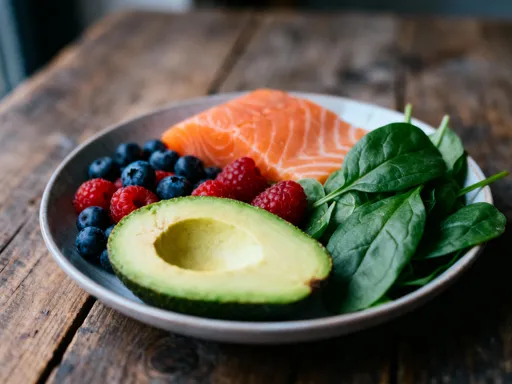
One simple change was filling half my plate with vegetables at lunch and dinner. I didn’t force myself to eat foods I disliked—I just made sure there was color and variety. I swapped white bread for whole grain, sugary cereals for oatmeal with fruit, and soda for sparkling water with lemon. These weren’t drastic changes, but they reduced processed sugar and increased fiber, which helped stabilize my blood sugar and keep me full longer. I still enjoyed my favorite foods—just in smaller portions and less frequently.
Meal prep became a game-changer. I dedicated one hour on Sunday to wash and chop vegetables, cook a batch of quinoa, and portion out snacks like nuts and fruit. Having healthy options ready made it easier to make good choices during busy weekdays. I also learned to eat mindfully—sitting down without distractions, chewing slowly, and paying attention to hunger cues. This helped me avoid overeating and improved digestion. Nutrition isn’t about rigid rules; it’s about building a relationship with food that supports your well-being without making you feel deprived.
Movement That Fits: Exercise Without the Gym Obsession
I’ll admit it: I never liked the gym. The noise, the mirrors, the pressure to perform—it felt more like punishment than self-care. But I realized that exercise doesn’t have to mean lifting weights or running on a treadmill. Movement is the real goal. Our bodies are designed to move throughout the day, not sit for hours and then sprint to catch up. Once I reframed exercise as daily motion, it became easier to embrace.
I started by walking more—after meals, during phone calls, or just to clear my head. A 10-minute walk after lunch became a ritual. I added simple stretches in the morning and evening to improve flexibility and reduce stiffness. On days when I had more time, I followed short home workouts from reputable online sources—15 to 20 minutes of bodyweight exercises like squats, lunges, and planks. These didn’t require equipment or a lot of space, and I could do them in my living room while the kids played nearby.
The benefits went beyond physical strength. I noticed my mental clarity improved. I felt calmer and more focused. Movement helped regulate my mood and reduced the tension I carried in my shoulders and neck. I wasn’t training for a marathon—I was building stamina for real life. The key was consistency, not intensity. On days I couldn’t do a full routine, I did five minutes of stretching or a short walk. Showing up in any form kept the habit alive. Over time, my energy increased, and I no longer dreaded physical activity. It became something I looked forward to, not something I forced myself through.
Sleep and Stress: The Silent Health Game-Changers
If I had to pick two factors that transformed my health the most, they would be sleep and stress management. I used to underestimate both, thinking I could function on six hours of sleep and push through stress with willpower. But research shows that chronic sleep deprivation weakens the immune system, impairs cognitive function, and increases the risk of heart disease and depression. Stress, especially when constant, floods the body with cortisol, which over time can lead to weight gain, digestive issues, and fatigue.
I began by improving my sleep hygiene. I set a consistent bedtime and wake-up time, even on weekends. I created a wind-down routine: turning off screens an hour before bed, dimming the lights, and reading a book or listening to soft music. I made my bedroom a sleep sanctuary—cool, quiet, and free of distractions. These changes didn’t fix everything overnight, but within a few weeks, I fell asleep faster and woke up feeling more refreshed.
For stress, I adopted small but powerful practices. I started taking short breaks during the day to breathe deeply or step outside for fresh air. I learned to set boundaries—saying no when I was overwhelmed, and asking for help when I needed it. I practiced gratitude each morning, writing down three things I was thankful for. These moments of pause helped me reset and regain perspective. I also discovered the power of laughter and connection—spending time with loved ones, sharing stories, and finding joy in simple moments. These aren’t medical treatments, but they are powerful tools for emotional and physical health.
Staying on Track: Tools That Helped Me Stick With It
Change isn’t linear. There were days I skipped walks, ate too much sugar, or stayed up late scrolling. What kept me going wasn’t perfection—it was the tools I used to stay on track. One of the most helpful was a habit tracker. I used a simple notebook to mark each day I completed my core habits: drinking water, walking, eating vegetables, and sleeping by 10 p.m. Seeing a streak of checkmarks motivated me to keep going. When I missed a day, I didn’t erase the past—I just started again the next day.
My environment also played a big role. I kept a water bottle on my desk to remind me to drink. I laid out my walking shoes the night before. I stocked my kitchen with healthy staples so I wouldn’t reach for junk food when hungry. These small adjustments made the right choices easier. I also gave myself small rewards—like a relaxing bath or a new book—after a week of consistent habits. These weren’t treats for weight loss or fitness milestones, but for showing up for myself.
When life got busy—during holidays, family visits, or work deadlines—I let go of guilt. I didn’t need to do everything perfectly to be making progress. I focused on doing something, even if it was small. A five-minute stretch, a piece of fruit instead of a cookie, ten minutes of deep breathing—these kept me connected to my goals. I learned that resilience isn’t about never slipping up. It’s about returning, gently and consistently, to what matters.
Improving health isn’t about overhauling your life overnight. It’s about making small, smart choices every day that add up to lasting well-being. Preventive care isn’t complicated—it’s built into how we live. By focusing on consistency and self-awareness, anyone can build a healthier future, one simple step at a time. Always consult a healthcare professional before making major health changes.