You Won’t Believe How Fast This Anti-Aging Move Works
As the years go by, we all want to age gracefully—without the sagging skin, stiff joints, and constant fatigue. What if you could slow down your biological clock with just a few minutes of movement each day? I discovered a surprisingly simple routine that’s not about intense workouts or expensive creams. It’s science-backed, easy to start, and already showing real results in how I feel and look. This isn’t about chasing youth—it’s about preserving strength, energy, and mobility so you can keep doing what you love, year after year.
The Real Problem Aging Brings (Beyond Wrinkles)
Aging is often discussed in terms of visible changes—fine lines, gray hair, and thinning skin. But beneath the surface, something more significant is happening. Starting in your 30s, your body begins to lose muscle mass at a rate of about 3% to 5% per decade, a process known as sarcopenia. This decline accelerates after 50, leading to weaker movements, reduced balance, and a higher risk of falls. At the same time, metabolism slows, making weight management more challenging even with consistent eating habits.
Joint stiffness becomes more common as cartilage wears down and synovial fluid—responsible for lubricating joints—decreases. This can make simple actions like climbing stairs or lifting groceries feel effortful. Energy levels also dip, not just due to aging itself, but because of reduced mitochondrial efficiency. Mitochondria are the powerhouses of your cells, and as they become less effective, fatigue sets in more easily. These changes aren’t dramatic overnight, but they accumulate quietly, reshaping how you experience daily life.
What many don’t realize is that these internal shifts are not inevitable consequences of time alone. Lifestyle plays a crucial role. A sedentary routine—sitting for long hours, avoiding physical challenges—can speed up these processes, making a 50-year-old feel like they’re 65. The good news is that the reverse is also true. Movement, even in small doses, can counteract many of these effects. It’s not about turning back the clock, but about slowing the ticking. By understanding that aging affects the whole body, not just the face, we begin to see why daily activity is one of the most powerful tools we have.
Why Most People Get Anti-Aging Exercise Wrong
Many people believe that fighting aging means logging hours on the treadmill or pushing through grueling gym sessions. They assume more sweat equals better results. But research suggests that excessive cardio—especially high-impact, long-duration exercise—can increase oxidative stress and inflammation, which may actually accelerate cellular aging. The goal isn’t to eliminate cardio, but to recognize that balance is key. Overdoing one type of exercise while neglecting others can create imbalances that undermine long-term health.
On the other end of the spectrum, some avoid exercise altogether, fearing injury or thinking it’s too late to start. They may believe that if they haven’t been active their whole lives, the benefits now will be minimal. This couldn’t be further from the truth. Studies show that adults who begin exercising in midlife still experience significant improvements in heart health, muscle strength, and cognitive function. The body responds to movement at any age. The real danger isn’t starting late—it’s never starting at all.
Another common mistake is focusing only on aesthetics. People chase flat abs or toned arms without realizing that the deeper benefits of exercise—like improved insulin sensitivity, better circulation, and stronger bones—are what truly impact longevity. The most effective anti-aging routines aren’t designed for the mirror; they’re designed for function. They support mobility, balance, and endurance, allowing you to live independently and actively as you age. Shifting the focus from appearance to vitality changes everything.
The truth is, aging isn’t defeated by extreme effort. It’s slowed by consistency, variety, and smart movement. You don’t need to run marathons or lift heavy weights to make a difference. What matters is engaging your body in ways that support its natural systems—circulation, joint health, muscle maintenance, and nervous system coordination. When exercise is approached as a form of daily maintenance rather than a punishment or performance, it becomes sustainable. And sustainability is where real change happens.
The Science Behind Movement and Cellular Aging
At the heart of aging is what happens inside your cells. One of the most studied markers of biological aging is the length of telomeres—protective caps at the ends of your chromosomes. Every time a cell divides, telomeres shorten. When they become too short, the cell can no longer divide and becomes inactive or dies. Shorter telomeres are linked to age-related diseases and a higher risk of early mortality. But here’s the encouraging part: lifestyle choices, especially physical activity, can help preserve telomere length.
Research has shown that people who engage in regular, moderate exercise tend to have longer telomeres than those who are sedentary. A study published in the journal *Preventive Medicine* found that adults who met recommended physical activity guidelines had telomeres that appeared biologically nine years younger than those of inactive peers. This doesn’t mean exercise stops aging, but it does suggest that movement can slow the rate at which your cells age. The key is consistency—short, daily efforts add up over time.
Another critical factor is mitochondrial health. As we age, mitochondria become less efficient at producing energy, leading to fatigue and slower recovery. Exercise stimulates the creation of new mitochondria and improves their function. This process, called mitochondrial biogenesis, is especially responsive to movement that challenges the body in short bursts—like walking uphill, climbing stairs, or doing bodyweight squats. These activities signal the body to upgrade its energy systems, keeping cells more vibrant and resilient.
Inflammation is another silent driver of aging. Chronic, low-grade inflammation—often caused by inactivity, poor diet, or stress—contributes to joint pain, heart issues, and cognitive decline. Physical activity helps regulate the immune system, reducing inflammatory markers like C-reactive protein. Even gentle movement, such as stretching or walking, can trigger anti-inflammatory responses. The body, when regularly activated, stays in a state of balance rather than decay. These cellular benefits aren’t visible in the mirror, but they’re felt in how you move, think, and sleep every day.
The 5-Minute Daily Habit That Changes Everything
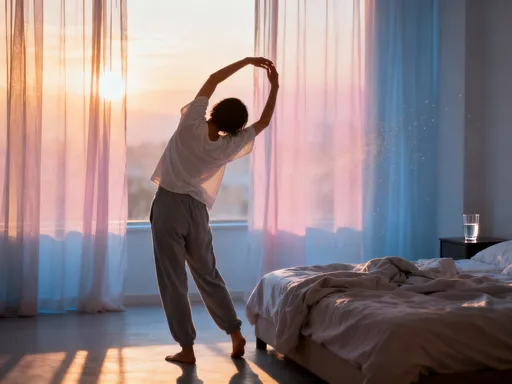
The most powerful anti-aging tool isn’t found in a bottle or a gym membership—it’s built into your daily routine. The practice? Five minutes of intentional micro-movements every morning. This isn’t about breaking a sweat or pushing limits. It’s about waking up your body, improving circulation, and preparing your joints and muscles for the day ahead. Think of it as a daily tune-up, like brushing your teeth but for your musculoskeletal system.
The routine begins with dynamic stretching—gentle movements that take your joints through their full range of motion. Start by rolling your shoulders forward and backward for 30 seconds. This loosens the upper back and improves posture, counteracting the slouching that comes from sitting. Next, perform neck circles—slowly tilting your head side to side and front to back—to release tension and increase blood flow to the brain. Then move to ankle rolls and wrist circles, which support joint mobility and reduce stiffness.
After joint mobility, add a few posture resets. Stand against a wall with your head, shoulders, and hips touching it. Hold for 30 seconds, breathing deeply. This helps retrain your body to maintain a neutral spine. Follow with two minutes of marching in place, lifting your knees high and swinging your arms. This boosts heart rate slightly, wakes up your metabolism, and signals your body that it’s time to be active. Finish with a forward fold—bending at the hips and letting your arms hang—then slowly roll back up to standing. This sequence takes exactly five minutes and requires no equipment.
What makes this habit so effective is its consistency. Doing it every morning, even on days when you’re short on time, creates a ripple effect. Your circulation improves, your joints stay lubricated, and your nervous system becomes more alert. Over time, these small actions reduce stiffness, enhance balance, and increase energy. It’s not about intensity—it’s about showing up daily. And because it’s so brief, it’s easy to stick with, even on busy or tiring days. This is where real change begins: not in grand efforts, but in quiet, repeated choices.
How to Build a Sustainable Anti-Aging Routine (Without Burnout)
While the 5-minute habit is a powerful foundation, it works best when paired with a balanced weekly routine. The goal isn’t to turn your life into a fitness regimen, but to weave movement into your existing rhythm. Think of it as layering small, meaningful practices that support long-term health without overwhelming your schedule. The key is variety and frequency—not duration.
Start by adding two strength sessions per week. These don’t need to be long—just 15 to 20 minutes. Focus on exercises that build functional strength: bodyweight squats, wall push-ups, step-ups on a stair, and seated rows using a resistance band. These movements preserve muscle mass, support joint stability, and improve bone density. Strength training is especially important as we age because it directly combats sarcopenia and helps maintain independence. You don’t need a gym—just a quiet space and a few minutes.
Next, include balance and coordination work. Simple activities like standing on one foot while brushing your teeth, walking heel-to-toe in a straight line, or practicing slow weight shifts from side to side can dramatically improve stability. These exercises reduce fall risk and enhance body awareness. Try doing them for just a few minutes a day. They’re easy to integrate and don’t require any special equipment.
Light cardio is also essential. Instead of long runs, opt for three 10-minute walks spread throughout the day. Walking after meals helps regulate blood sugar, supports heart health, and improves mood. Studies show that short, frequent walks are just as effective as one long session for metabolic health. The bonus? They’re easier to fit into a busy schedule and less likely to cause burnout.
To make all of this stick, attach movement to existing habits. Do your 5-minute routine right after brushing your teeth. Take a walk after lunch. Stretch while watching the evening news. These “habit stacking” techniques turn exercise into a natural part of your day rather than an extra task. When movement becomes routine, not a chore, you’re far more likely to keep doing it. And consistency, not perfection, is what leads to lasting change.
Real Results: What Changes in 2 Weeks, 4 Weeks, and Beyond
When you begin a daily movement practice, the changes don’t happen overnight—but they do happen. Within the first two weeks, many people notice subtle shifts. Sleep often improves, as physical activity helps regulate circadian rhythms. You may find yourself falling asleep faster and waking up feeling more refreshed. Joint stiffness tends to decrease, especially in the morning, because regular movement keeps synovial fluid circulating. Posture may begin to improve as your body relearns proper alignment.
By the fourth week, the benefits become more noticeable. Energy levels often rise, not because you’re exercising more intensely, but because your cells are working more efficiently. You might find it easier to carry groceries, climb stairs, or play with grandchildren without feeling winded. Some report a reduction in minor aches, particularly in the lower back and shoulders, as muscles and joints regain flexibility and strength. Mental clarity can also improve, thanks to better blood flow and reduced inflammation.
After two months, the cumulative effects become visible. Clothes may fit better, not necessarily because of weight loss, but due to improved muscle tone and posture. Others might comment that you seem more alert or vibrant. These aren’t dramatic transformations—they’re natural outcomes of a body that’s being cared for. The real victory isn’t in how you look, but in how you feel: more capable, more resilient, more alive.
Over time, these small efforts compound. People who maintain consistent movement routines report greater confidence in their physical abilities and less fear of aging-related decline. They’re more likely to stay active in their hobbies, travel, and social lives. The changes aren’t about reversing age—they’re about upgrading your experience of it. And because the routine is sustainable, the benefits continue to grow, year after year.
Why This Isn’t Just About Looking Young—It’s About Living Fully
The goal of anti-aging shouldn’t be to look 25 again. It should be to feel strong, capable, and engaged at every stage of life. True vitality isn’t measured by smooth skin or a wrinkle-free forehead—it’s measured by how easily you move, how clearly you think, and how much joy you find in everyday moments. Movement is the thread that ties all of this together. It’s not a quick fix or a temporary solution. It’s a lifelong commitment to self-care.
Every time you choose to move, you’re sending a message to your body: I’m still here. I still matter. I still want to participate. That choice, repeated daily, builds resilience. It strengthens your muscles, sharpens your mind, and supports your heart. It helps you stay independent, so you can keep cooking, gardening, traveling, and laughing with loved ones without limitation.
Aging is inevitable. But how you age is not. You can’t stop the years from passing, but you can influence how they affect you. The right kind of movement—consistent, varied, and kind—can slow cellular decline, reduce pain, and boost energy. It’s not about perfection. It’s about showing up, even when you don’t feel like it. It’s about doing five minutes when you can’t do 30. It’s about choosing small, daily acts of care that add up to a lifetime of well-being.
In the end, the best anti-aging strategy isn’t hidden in a lab or a luxury spa. It’s within you. It’s in the way you move, the choices you make, and the life you choose to live. When you treat your body with respect and attention, it responds with strength, grace, and endurance. And that’s not just aging well—it’s living fully.