You Won’t Believe How These Food Pairs Slowed My Aging
As I approached my late thirties, fine lines and low energy became hard to ignore. I didn’t want drastic measures—just real, simple changes. That’s when I discovered the power of food pairing for anti-aging. It’s not about miracle cures or restrictive diets, but combining everyday foods in smart ways that boost skin health, energy, and overall vitality. What I found surprised me—and might change how you think about meals forever. The secret isn’t hidden in expensive serums or supplements, but right in the way we combine ingredients on our plates. Science increasingly shows that nutrients don’t work in isolation; they thrive in partnership. When paired correctly, common foods can dramatically improve absorption, reduce inflammation, and support the body’s natural repair systems. This subtle shift in eating habits can lead to visible changes: brighter skin, stronger hair, sharper focus, and a renewed sense of well-being. And the best part? No extreme rules, no deprivation—just smarter, science-backed choices that fit into real life.
The Hidden Secret in Your Kitchen: Why Food Combos Matter for Aging
Most people believe anti-aging begins with topical solutions—creams, serums, or cosmetic procedures. While skincare plays a role, true aging begins at the cellular level, influenced heavily by what we eat. One of the most overlooked aspects of nutrition is nutrient synergy: the idea that certain foods, when eaten together, enhance each other’s benefits far more than when consumed alone. This concept is not new, but it’s only recently gaining attention in mainstream health discussions. Nutrient synergy works by improving digestion, increasing absorption, and maximizing the body’s ability to use vitamins and minerals for repair and protection. For example, pairing vitamin C with plant-based iron can increase iron absorption by up to six times. Similarly, healthy fats help the body absorb key antioxidants that protect skin and brain cells from oxidative stress.
When nutrients aren’t properly absorbed, even a diet rich in fruits and vegetables may fall short. This leads to subtle but telling signs of premature aging: dull skin, brittle nails, low stamina, and difficulty recovering from daily stress. These symptoms are often mistaken for normal aging, but they can actually signal poor nutrient uptake. The digestive system is highly sensitive to food combinations. Eating certain foods together can either support or hinder the release of digestive enzymes and the function of gut bacteria. For instance, consuming high-fiber foods with adequate fluids and fats ensures smoother digestion and better nutrient delivery. On the other hand, combining large amounts of protein with starches can slow digestion and lead to bloating, reducing the efficiency of nutrient absorption.
The good news is that small, intentional changes in food pairing can make a significant difference. These adjustments don’t require overhauling your diet—just rethinking how you combine ingredients. Over time, improved nutrient synergy supports cellular regeneration, reduces inflammation, and slows the visible signs of aging. The body is constantly repairing itself, and giving it the right tools in the right combinations means it can do its job more effectively. This is not about perfection, but about making consistent, informed choices that add up. The kitchen, not the pharmacy, may hold the most powerful anti-aging toolkit available.
Antioxidants & Fats: The Power Couple for Youthful Skin
Antioxidants are essential for fighting free radicals—unstable molecules that damage cells and accelerate aging. But not all antioxidants are created equal, and their effectiveness depends on how they are consumed. Fat-soluble antioxidants, such as vitamin E, beta-carotene, and lutein, require dietary fats to be properly absorbed. Without fat, these nutrients pass through the digestive tract unused, offering little benefit. This is why low-fat or fat-free diets, once promoted for health, are now understood to hinder the absorption of critical nutrients. For women over 30, especially those noticing dryness, fine lines, or uneven skin tone, this detail is crucial. The skin relies on fat-soluble antioxidants to maintain elasticity, hydration, and protection from environmental damage.
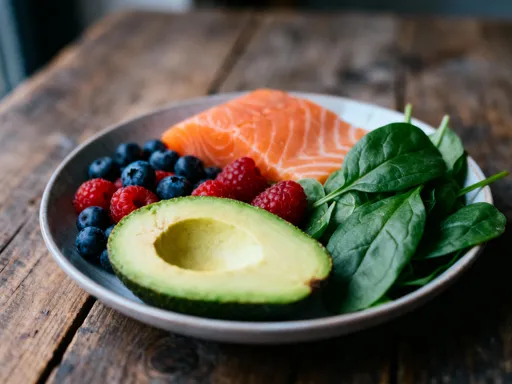
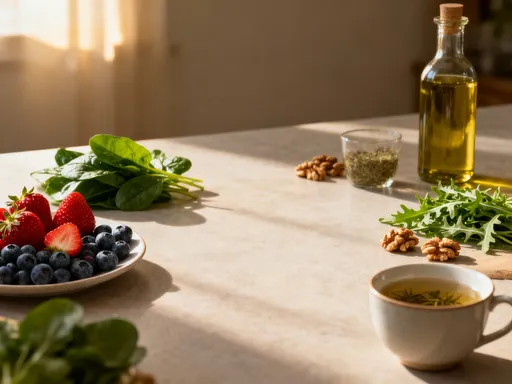
One of the simplest and most effective pairings is spinach drizzled with olive oil. Spinach is rich in lutein and beta-carotene, both powerful antioxidants that support skin and eye health. When eaten raw or steamed without fat, much of these nutrients go to waste. Adding just one teaspoon of extra virgin olive oil dramatically increases absorption. Similarly, carrots contain high levels of beta-carotene, which the body converts into vitamin A—a key player in skin cell turnover. Eating carrots with avocado, which provides heart-healthy monounsaturated fats, enhances this conversion process. Another powerful combination is berries with a handful of nuts. Berries are packed with antioxidants like anthocyanins, while nuts supply the fats needed to carry these compounds into the bloodstream.
Studies have shown that people who consume healthy fats alongside antioxidant-rich vegetables have higher levels of these nutrients in their blood and report better skin texture and fewer signs of aging. The visible results—plumper, more radiant skin—come from improved cellular hydration and reduced oxidative stress. It’s not about eating more fat, but about choosing the right kinds: olive oil, avocado, nuts, seeds, and fatty fish. These fats also support hormone balance and brain health, both of which decline with age if not properly nourished. The key is balance and consistency. A daily salad with mixed greens, tomatoes, and a dressing made with olive oil isn’t just a meal—it’s a strategy for lasting vitality.
Vitamin C + Plant Iron: Boosting Energy from Within
Iron deficiency is one of the most common nutritional deficiencies, especially among women. Symptoms like fatigue, weakness, pale skin, and difficulty concentrating are often dismissed as part of a busy lifestyle, but they can signal low iron stores. There are two types of dietary iron: heme iron, found in animal products, and non-heme iron, found in plant foods like lentils, beans, tofu, and leafy greens. While plant-based iron is healthy and sustainable, it is less easily absorbed by the body. This is where vitamin C becomes a game-changer. Vitamin C, also known as ascorbic acid, significantly enhances the absorption of non-heme iron by converting it into a more absorbable form in the digestive tract.
For women who rely on plant-based proteins or eat minimal meat, pairing iron-rich foods with vitamin C sources is essential. A simple lunch of chickpeas and bell peppers does more than satisfy hunger—it optimizes nutrient uptake. Bell peppers are one of the richest sources of vitamin C, far surpassing oranges in some cases. Adding them to a lentil stew or bean salad can triple iron absorption. Another effective combination is lemon juice on kale. Kale is high in iron, but its absorption is limited without help. A squeeze of fresh lemon not only brightens the flavor but also unlocks the iron for better utilization. Even breakfast can be optimized: adding strawberries to oatmeal introduces both iron and vitamin C in one bowl.
Over time, consistent pairing leads to measurable improvements. Women who adopt these habits often report increased energy, better focus, and a healthier complexion within weeks. This isn’t just anecdotal—clinical studies confirm that vitamin C can increase non-heme iron absorption by 50% to 100%, depending on the meal. The impact goes beyond physical appearance; improved iron status supports oxygen delivery to muscles and the brain, enhancing endurance and mental clarity. For mothers, professionals, or anyone managing a demanding schedule, this kind of sustained energy is invaluable. The beauty of this strategy is its simplicity: no supplements, no drastic changes, just mindful pairing of foods already in the kitchen.
Turmeric & Black Pepper: A Tiny Mix with Big Effects
Turmeric has long been celebrated in traditional wellness practices for its anti-inflammatory properties. The active compound, curcumin, is responsible for most of its benefits, including supporting joint health, reducing oxidative stress, and promoting clear skin. However, curcumin has a major limitation: poor bioavailability. When consumed alone, the body struggles to absorb it, and much of it is eliminated before it can be used. This means that adding turmeric to a dish without the right companion may offer little benefit. The solution lies in black pepper, specifically a compound called piperine. Piperine enhances the absorption of curcumin by up to 2,000%, making this pairing one of the most powerful in functional nutrition.
Incorporating this duo into daily meals is simple and delicious. A warm cup of golden milk—made with turmeric, black pepper, and a plant-based milk like almond or oat—has become a popular evening ritual. The fat in the milk helps absorb curcumin, while the pepper ensures it stays in the system longer. Another option is to season roasted vegetables with turmeric and freshly ground black pepper. This not only adds depth of flavor but also transforms a simple side dish into an anti-inflammatory powerhouse. Even a morning smoothie can benefit from a pinch of both spices, especially when blended with a banana and a spoon of nut butter for added fat.
The long-term effects of this pairing are supported by scientific research. Chronic inflammation is a key driver of aging, linked to conditions like joint stiffness, brain fog, and skin dullness. By improving curcumin absorption, the turmeric-pepper combination helps reduce inflammatory markers in the body. Many women report feeling more mobile, sleeping better, and noticing a reduction in facial puffiness after regular use. This isn’t a quick fix, but a sustainable habit that supports overall wellness. The fact that such profound benefits come from two common spices makes this one of the most accessible anti-aging strategies available.
Tomatoes & Olive Oil: Unlocking Lycopene for Heart and Skin
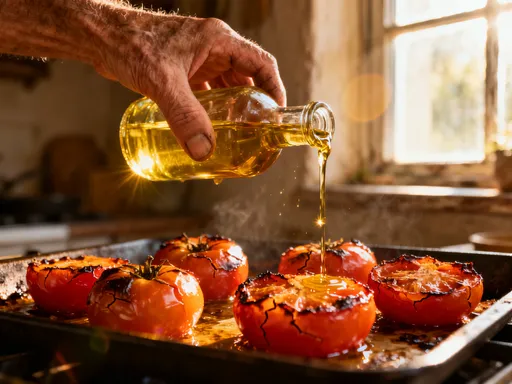
Lycopene is a powerful antioxidant found in red fruits and vegetables, most notably in tomatoes. It is known for its ability to protect cells from damage, support cardiovascular health, and defend the skin against UV radiation. Unlike some nutrients, lycopene becomes more available when tomatoes are cooked. However, heat alone isn’t enough—fat is required to release and absorb lycopene effectively. Raw tomatoes have lycopene, but the body can only access a small fraction without fat. When tomatoes are cooked with olive oil, the combination increases lycopene absorption by up to four times. This makes dishes like tomato sauce, roasted tomato soup, or shakshuka not only comforting but also highly protective.
The benefits of lycopene extend beyond the skin. It supports arterial health by reducing oxidative stress in blood vessels, which helps maintain healthy blood pressure and circulation. For women entering their forties and beyond, cardiovascular wellness becomes increasingly important. A diet rich in lycopene has been associated with a lower risk of heart-related conditions and improved skin elasticity. One study found that women who consumed cooked tomatoes with oil regularly had fewer fine lines and better skin moisture levels than those who avoided fat. This isn’t about eating more oil, but about using it wisely—just one tablespoon of extra virgin olive oil in a tomato-based dish is enough to unlock these benefits.
Another advantage of this pairing is its versatility. A simple pasta dish with marinara sauce made from crushed tomatoes and olive oil is both satisfying and nourishing. A roasted tomato salad with balsamic vinegar and avocado combines multiple anti-aging strategies in one meal. Even a morning omelet with sautéed tomatoes in olive oil can contribute to long-term health. The key is consistency. Unlike supplements, which can be inconsistent in quality, whole foods provide a natural, balanced delivery of nutrients. Over time, regular consumption of lycopene-rich meals supports both inner and outer vitality, proving that anti-aging can be delicious and effortless.
Green Tea & Lemon: Supercharging Your Daily Sip
Green tea is widely praised for its high concentration of catechins, particularly epigallocatechin gallate (EGCG), which has strong antioxidant and anti-inflammatory properties. These compounds help neutralize free radicals, support metabolism, and promote clear, even skin. However, catechins are sensitive to the digestive environment and can break down before being fully absorbed. Research shows that adding vitamin C to green tea stabilizes catechins and significantly boosts their bioavailability. This means that a simple squeeze of lemon can make your daily cup of green tea far more effective.
Many people drink green tea plain, believing they are gaining all the benefits. But without vitamin C, up to 80% of the catechins may be lost during digestion. Adding lemon juice not only enhances absorption but also improves the taste, making it easier to enjoy regularly. The ideal time to drink this combination is between meals, when the stomach is not full of competing foods. A morning cup can kickstart metabolism, while an afternoon serving may help maintain mental focus. For those who prefer iced tea, brewing a batch with lemon slices and chilling it offers the same advantages.
The long-term impact of this small habit is profound. Regular consumption of lemon-enhanced green tea has been linked to improved skin texture, reduced oxidative stress, and better weight management. Because EGCG supports fat oxidation, pairing it with vitamin C may enhance metabolic efficiency. Additionally, the calming effect of green tea, combined with the refreshing taste of lemon, makes this drink a soothing ritual. It’s not about drinking more tea, but about making each cup count. This simple upgrade turns a common beverage into a targeted anti-aging tool, accessible to anyone with a teabag and a lemon.
Putting It All Together: Simple Swaps for Lasting Results
Integrating these food pairings into daily life doesn’t require a complete diet overhaul. The goal is progress, not perfection. A sample day might begin with oatmeal topped with strawberries and a sprinkle of chia seeds—delivering iron, vitamin C, and omega-3s. Mid-morning, a cup of green tea with lemon provides sustained antioxidant support. Lunch could be a large salad with spinach, roasted tomatoes, chickpeas, bell peppers, and a dressing made with olive oil and lemon juice—hitting nearly every key pairing in one bowl. A small handful of nuts adds healthy fats and further boosts nutrient absorption.
Dinner might include a turmeric-seasoned lentil curry with brown rice, garnished with fresh cilantro and a twist of black pepper. The combination of turmeric and pepper maximizes curcumin uptake, while the lentils and vegetables supply fiber, iron, and phytonutrients. For dessert, a few dark chocolate-covered almonds offer flavonoids and vitamin E, both protective for skin and brain health. Even snacks can be optimized: apple slices with almond butter, or carrot sticks with hummus, combine fiber, fat, and antioxidants in satisfying ways.
The real power lies in consistency. These habits don’t need to be perfect every day, but regular practice leads to cumulative benefits. Over weeks and months, many women notice increased energy, improved digestion, and a more radiant appearance. The changes are subtle at first—less puffiness, stronger nails, better sleep—but they build over time. Mindful eating also encourages a deeper connection to food, helping individuals notice how different combinations affect their mood and energy. This awareness fosters long-term sustainability, far beyond short-lived diet trends.
It’s also important to recognize individual needs. Women with medical conditions, such as thyroid disorders or digestive issues, should consult a healthcare provider before making significant dietary changes. Nutrition is personal, and what works for one person may need adjustment for another. However, the principles of nutrient synergy are universally beneficial. They are grounded in science, easy to implement, and free from extreme restrictions. This approach empowers women to take control of their health in a realistic, joyful way.
Conclusion: Aging Well Is Closer Than You Think
The journey of aging is inevitable, but how we age is influenced by countless daily choices. The foods we eat, and how we combine them, play a central role in determining our energy, appearance, and long-term well-being. The power of food pairing lies in its simplicity and science-backed effectiveness. It transforms ordinary meals into opportunities for cellular repair, inflammation reduction, and vitality enhancement. No expensive treatments, no complicated regimens—just thoughtful, intentional eating.
What began as a personal quest to feel more like myself in my late thirties turned into a deeper understanding of how food functions as medicine. The changes I experienced—more energy, clearer skin, better sleep—were not the result of drastic measures, but of small, consistent improvements in how I combined ingredients. These pairings are not magic, but they are backed by research and real-world results. They honor the body’s natural processes, working with digestion and absorption rather than against them.
Aging with grace is not about resisting time, but about supporting the body as it evolves. By embracing nutrient synergy, women can take an active role in their health journey. It’s never too late to start. Whether you’re in your thirties, forties, or beyond, the choices you make today shape how you feel tomorrow. And sometimes, the most powerful anti-aging secret isn’t hidden in a bottle—it’s already in your kitchen, waiting to be combined the right way. One meal, one bite, one pairing at a time, you can nourish your body, renew your energy, and embrace aging with strength and confidence.