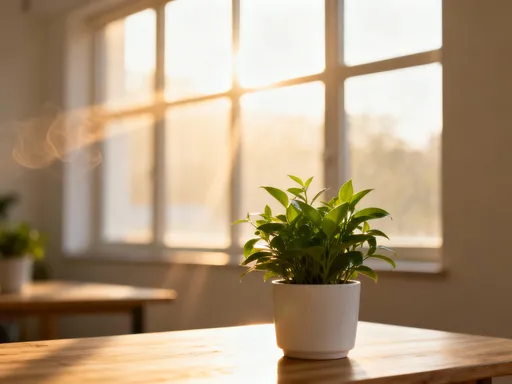
How I Upgraded My Everyday Life by Fixing the Air, Light, and Clutter Around Me
You don’t need a miracle to feel better every day—just a smarter environment. I used to feel constantly drained, unfocused, and restless, even with good sleep and diet. Then I realized: my surroundings were working against me. After tweaking just three things—air quality, natural light, and home clutter—I noticed real shifts. Energy went up, stress went down, and my daily life finally felt in sync. This is how small, proven changes in your space can seriously upgrade your well-being.
The Hidden Problem: How Your Environment Quietly Drains Your Energy
Most people assume that feeling tired or irritable is simply part of adult life—especially for women managing homes, families, and personal goals. Yet growing evidence suggests that the spaces we live in play a major role in how we feel from day to day. Poor indoor air, dim or artificial lighting, and cluttered surfaces aren’t just background details. They act as constant, low-level stressors that wear down mental clarity, emotional balance, and physical stamina over time.
Indoor environments can be up to five times more polluted than outdoor air, according to research from the U.S. Environmental Protection Agency. Dust, pet dander, mold spores, and chemicals released from cleaning products or furniture—known as volatile organic compounds (VOCs)—accumulate in enclosed spaces. When these pollutants circulate in poorly ventilated rooms, they trigger subtle inflammation in the body. This doesn’t always cause obvious symptoms like sneezing or coughing, but it can contribute to chronic fatigue, brain fog, and low motivation. Even women who eat well and exercise regularly may unknowingly carry this invisible burden.
Lighting also plays a surprisingly powerful role. The human body runs on a 24-hour internal clock, called the circadian rhythm, which relies heavily on light cues. Spending long hours under harsh fluorescent bulbs or the blue light of screens tricks the brain into thinking it’s still daytime, delaying the release of melatonin, the hormone responsible for sleep. As a result, many women find themselves wide awake at bedtime, only to wake up feeling groggy the next morning. This cycle repeats, draining energy reserves and weakening resilience to daily stress.
Visual clutter adds another layer of strain. A kitchen counter covered in mail, a bedroom floor littered with clothes, or a home office piled with papers may seem harmless. But the brain continuously processes visual input, even when we’re not actively paying attention. Studies using brain imaging have shown that clutter increases activity in the prefrontal cortex, the area responsible for decision-making and focus. Over time, this constant low-grade mental load leads to decision fatigue, irritability, and a sense of being overwhelmed. The result? Even small tasks feel exhausting, and relaxation becomes elusive.
These environmental factors rarely act alone. Instead, they form a quiet but persistent trio—poor air, weak light, and disorganization—that erodes well-being from the inside out. The good news is that each of these elements can be improved with practical, science-backed changes. Unlike drastic lifestyle overhauls, these adjustments fit into everyday life without demanding extra time or energy. By addressing air, light, and clutter, you’re not just cleaning your home—you’re supporting your body’s natural ability to function at its best.
Why Clean Air Isn’t Just for Allergy Sufferers—It’s for Mental Clarity Too
When most people think of clean air, they picture allergy relief or asthma management. But air quality affects far more than just breathing. It directly influences cognitive performance, emotional stability, and long-term brain health. The brain consumes about 20% of the body’s oxygen, making it highly sensitive to changes in air composition. Even mild reductions in oxygen levels or increases in airborne pollutants can impair concentration, memory, and mood regulation.
Indoor air pollution comes from many everyday sources. Carpets, upholstered furniture, and pressed-wood cabinets can emit formaldehyde and other VOCs over time. Cleaning sprays, air fresheners, and scented candles release fine particles and chemical vapors that linger in the air. These substances may not cause immediate illness, but chronic exposure has been linked to increased anxiety, slower reaction times, and reduced mental sharpness. A Harvard T.H. Chan School of Public Health study found that people working in well-ventilated offices with low levels of pollutants scored significantly higher on cognitive function tests than those in conventional office environments.
The good news is that improving indoor air doesn’t require expensive renovations or extreme measures. One of the simplest and most effective steps is increasing ventilation. Opening windows for just 10 to 15 minutes each day allows stale air to escape and fresh air to circulate. Cross-ventilation—opening windows on opposite sides of a room—creates a natural breeze that flushes out pollutants more efficiently. In colder months, cracking a window slightly while using the stove or shower helps reduce moisture and prevent mold buildup.
Houseplants can also play a supportive role. While they won’t replace mechanical air filtration, certain varieties like snake plants, peace lilies, and spider plants have been shown to absorb some airborne toxins and release oxygen. NASA’s Clean Air Study highlighted their potential to reduce levels of benzene, formaldehyde, and trichloroethylene—common pollutants found in homes. Placing a few in key areas, such as the living room or bedroom, adds both beauty and subtle air-purifying benefits.
For more consistent results, especially in homes with pets, smokers, or high outdoor pollution, an air purifier with a HEPA filter can make a noticeable difference. These devices capture 99.97% of particles as small as 0.3 microns, including dust, pollen, and mold spores. Placing one in the bedroom can improve sleep quality by reducing nighttime respiratory irritation. Regular maintenance—such as replacing filters according to the manufacturer’s instructions—ensures continued effectiveness. The goal isn’t sterile perfection but steady improvement in the air you breathe every day.
The Power of Natural Light: Resetting Your Body’s Daily Rhythm
Light is one of the most powerful regulators of human biology. It doesn’t just help us see—it tells our bodies when to wake up, when to focus, and when to wind down. The circadian rhythm, governed by a small region in the brain called the suprachiasmatic nucleus, depends on exposure to natural light, especially in the morning. Without strong light cues, this internal clock becomes misaligned, leading to disrupted sleep, low energy, and mood fluctuations.
Modern lifestyles often limit access to natural daylight. Many women spend the majority of their day indoors, under artificial lighting that lacks the full spectrum and intensity of sunlight. Office lighting, overhead bulbs, and screens emit blue-enriched light, which is helpful during the day but disruptive at night. The problem arises when this artificial light continues into the evening, suppressing melatonin and delaying sleep onset. Over time, this imbalance can contribute to insomnia, daytime fatigue, and even seasonal affective disorder (SAD), a type of depression linked to reduced sunlight exposure.
One of the most effective ways to support your circadian rhythm is to get bright natural light within the first hour of waking. Even on cloudy days, outdoor light is significantly brighter than indoor lighting. A 20- to 30-minute walk in the morning, or simply sitting by a window with a cup of tea, can send a strong signal to your brain that the day has begun. This helps regulate cortisol and melatonin levels, leading to sharper focus during the day and deeper sleep at night.
Inside the home, small adjustments can maximize daylight exposure. Rearranging furniture to place desks, reading chairs, or kitchen tables near windows allows you to benefit from natural illumination while doing daily tasks. Using light-colored curtains or blinds that can be fully opened during the day helps diffuse sunlight without causing glare. Mirrors placed opposite windows can reflect and amplify light into darker corners of a room, making spaces feel brighter and more inviting.
In the evening, the focus shifts to reducing artificial blue light. Switching to warm-toned bulbs with a color temperature below 3000K in bedrooms and living areas creates a calming atmosphere. Many modern LED bulbs and smart lighting systems allow users to adjust color temperature throughout the day—bright and cool in the morning, soft and warm at night. Devices like smartphones and tablets can be set to “night mode,” which reduces blue light emissions after sunset. These small changes help the body transition smoothly into rest mode, improving both sleep quality and next-day energy levels.
Clutter Is More Than Messy—It’s a Stress Trigger
Clutter is often dismissed as a cosmetic issue—a sign of being busy, not a health concern. But research in environmental psychology shows that disorganized spaces have a measurable impact on mental well-being. Visual clutter competes for attention, overloading the brain’s processing capacity and increasing levels of cortisol, the primary stress hormone. A study from the Princeton University Neuroscience Institute found that multiple visual stimuli in a cluttered environment reduce the brain’s ability to focus and process information efficiently.
For women managing households, the constant presence of unfinished tasks—piles of laundry, unopened mail, or kitchen counters covered in dishes—can create a background sense of guilt or failure. Even if these tasks aren’t urgent, their visibility keeps the mind in a state of low-grade alertness, making it harder to relax or enjoy free time. This mental burden is especially pronounced in shared spaces like living rooms or kitchens, where clutter is unavoidable during daily routines.
The solution isn’t extreme minimalism or perfection. Instead, it’s about creating order in a way that supports calm and function. One effective strategy is the “designated zone” system. Assigning specific places for commonly used items—like keys, glasses, or grocery lists—reduces the mental effort needed to find or store them. A small basket by the door, a labeled drawer, or a wall-mounted organizer can make a big difference in reducing visual chaos.
Daily micro-cleanups are another sustainable habit. Spending just five minutes each evening clearing surfaces, putting things away, and preparing for the next day prevents clutter from accumulating. This “reset ritual” not only improves the physical environment but also signals to the brain that the day is complete, supporting better sleep and emotional closure. Similarly, adopting a “one in, one out” rule for new purchases—such as clothes, kitchen tools, or decor—helps maintain balance and prevents accumulation.
Emotional attachment to possessions can make decluttering difficult. Rather than tackling everything at once, it’s more effective to start small—perhaps with a single drawer or shelf. Sorting items into categories like “keep,” “donate,” or “unsure” reduces decision fatigue. Over time, as the space becomes calmer, the motivation to maintain order grows naturally. The goal is not a spotless home but a space that feels supportive, not stressful.
The Ripple Effect: When One Change Improves Everything Else
Improving your environment doesn’t just fix isolated problems—it creates a chain reaction of positive change. When one element improves, others often follow. For example, better lighting makes it easier to see mess, which encourages tidying up. Cleaner air reduces respiratory irritation, making physical activity more appealing. A clutter-free kitchen feels more inviting, increasing the likelihood of cooking healthy meals. These small wins build momentum, creating a self-reinforcing cycle of well-being.
One of the most profound ripple effects is on mental energy. When your surroundings are calm and organized, your brain doesn’t have to work as hard to filter distractions or manage stress. This freed-up mental capacity can be redirected toward creativity, planning, or simply enjoying moments with family. Women who have made environmental upgrades often report feeling more in control, more patient, and more present in their daily lives.
Additionally, a supportive environment makes healthy habits easier to maintain. Exercise feels more inviting in a clean, well-lit space. Meditation or journaling becomes more appealing when practiced in a quiet corner free of clutter. Even small routines like drinking more water or stretching in the morning are more likely to stick when the environment supports them. The body and mind respond to cues—when those cues are positive, good choices become the default, not the struggle.
This ripple effect also extends to relationships. A peaceful home reduces tension and creates space for connection. Family members are more likely to cooperate when systems are in place and spaces are functional. Children learn organizational skills by observing routines. Over time, the home transforms from a source of stress into a sanctuary—a place that nurtures everyone who lives there.
Making It Last: Simple Systems, Not Perfect Results
Sustainability is the key to lasting change. Many women start with enthusiasm, only to abandon efforts when they can’t maintain perfection. The truth is, no home stays perfectly clean, bright, or clutter-free all the time. The goal isn’t flawlessness but consistency. Small, repeatable systems are more effective than occasional deep cleans or grand overhauls.
A 5-minute evening reset, for example, can prevent clutter from building up. This might include wiping the kitchen counter, putting away laundry, or preparing the coffee maker for the next morning. These tiny actions take little time but prevent tomorrow’s to-do list from growing. Similarly, setting a monthly reminder to check air purifier filters or vacuum under furniture ensures that improvements are maintained without constant effort.
Another effective system is the “one-touch” rule: handle items once. When you take off your coat, hang it up immediately. When you open the mail, sort it right away. Avoiding the habit of setting things down “for now” reduces the mental clutter that leads to physical clutter. Over time, these small habits become automatic, requiring less willpower and decision-making.
It’s also important to adjust expectations. Some days will be busier than others. Illness, travel, or family needs may disrupt routines. That’s normal. The goal is progress, not perfection. On tough days, doing even one small thing—like opening a window for fresh air or clearing just one surface—keeps the momentum going. Self-compassion is part of the process. A supportive environment includes grace for the moments when life gets messy.
Your Space, Your Health: A Lifelong Investment in Quality of Life
Your home is more than a place to live—it’s a daily influence on your health, mood, and energy. Unlike quick fixes or temporary trends, improving your environment is a long-term investment in how you feel every single day. Clean air, natural light, and organized spaces aren’t luxuries. They are foundational elements of well-being, supported by science and accessible to anyone willing to make small, consistent changes.
These changes don’t require wealth, expertise, or endless time. They begin with awareness—recognizing that your surroundings matter. From there, each step builds on the last, creating a home that supports your best self. You may not notice dramatic shifts overnight, but over weeks and months, the difference becomes clear: more focus, less stress, deeper rest, and a greater sense of calm.
For women who carry the weight of family, work, and personal goals, this kind of support is invaluable. When your environment works with you instead of against you, daily life becomes easier, richer, and more joyful. You’re not chasing perfection—you’re creating a space that quietly, consistently nurtures your health. And that, in itself, is a powerful act of self-care.